8% Off
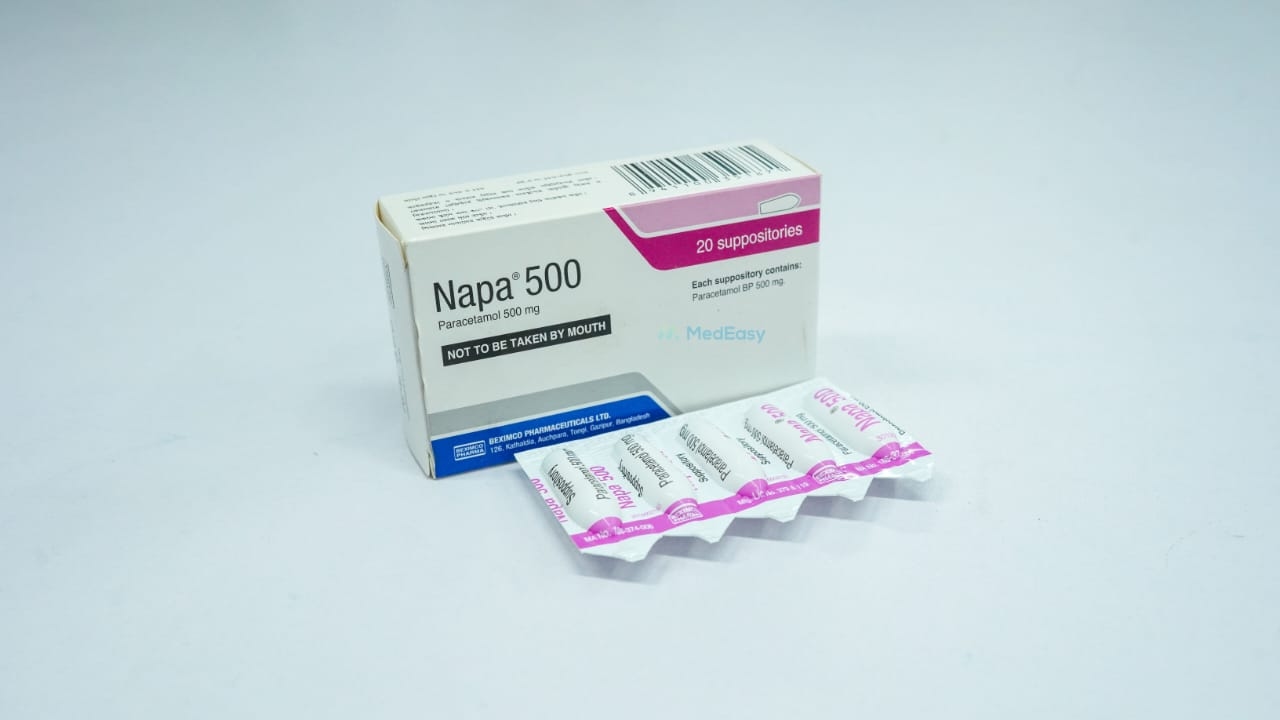
Napa500 mg
Beximco Pharmaceuticals Ltd.
৳7.36
Add to cart
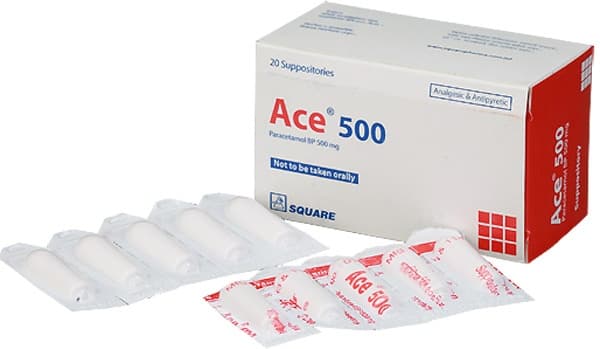

Ace 500 mg (also known as Acetaminophen) is one of the most widely used analgesic (pain-relieving) and antipyretic (fever-reducing) medicines in the world. It is suitable for adults, children, and infants and is available in numerous formulations for oral, rectal, and intravenous use. Ace 500 mg is indicated for the relief of the following conditions:
Note: Ace 500 mg is a pure analgesic and antipyretic. Unlike NSAIDs such as ibuprofen, it does not have significant peripheral anti-inflammatory activity and is therefore not appropriate as a primary treatment for inflammatory arthritis (e.g., rheumatoid arthritis). However, it is a preferred alternative for patients who cannot tolerate aspirin, NSAIDs, or other analgesics due to gastrointestinal sensitivity or contraindications.
Non-Opioid Analgesics / Antipyretics (Para-aminophenol derivatives)
Ace 500 mg (acetaminophen) is a non-opioid analgesic and antipyretic belonging to the para-aminophenol class of drugs. It is chemically distinct from NSAIDs and opioids, having its own unique mechanism of action that is still not fully understood despite decades of clinical use.
Ace 500 mg exerts its effects primarily through central nervous system (CNS) mechanisms, rather than the peripheral mechanisms typical of NSAIDs.
Ace 500 mg produces analgesia through peripheral blockade of pain impulse generation and through central inhibition of prostaglandin synthesis in the CNS, which raises the pain threshold. Unlike NSAIDs, it does not inhibit cyclooxygenase (COX) enzymes in peripheral tissues (such as the stomach, kidneys, and platelets) at therapeutic doses, which explains why it does not cause gastrointestinal irritation or platelet dysfunction.
Ace 500 mg is thought to act by inhibiting all isoforms of the cyclooxygenase enzyme — including COX-1, COX-2, and a proposed variant called COX-3. However, unlike aspirin (which irreversibly blocks COX), Ace 500 mg appears to indirectly inhibit COX activity — and this inhibition is ineffective in the presence of high peroxide concentrations. This explains why:
The COX-3 hypothesis proposes that Ace 500 mg selectively inhibits a splice variant of COX-1, now referred to as COX-3, which is predominantly expressed in the CNS. This may account for its central analgesic and antipyretic effects. However, the exact mechanism remains an active area of research.
The antipyretic action of Ace 500 mg results from its direct effect on the heat-regulating centres of the hypothalamus. By inhibiting prostaglandin E2 (PGE2) synthesis in the hypothalamus — which is responsible for raising the thermoregulatory set point during infection or inflammation — Ace 500 mg restores the normal set point, promoting peripheral vasodilation and sweating, which dissipates body heat. Unlike aspirin, this action occurs without significant peripheral prostaglandin inhibition.
The dose of Ace 500 mg depends on the formulation, the patient's age, body weight, and clinical condition. Always follow your registered physician's prescribed dose. Do not exceed the maximum recommended daily dose under any circumstances.
Critical safety rule: The maximum daily dose from ALL sources of Ace 500 mg (including combination products for cold, flu, or pain) must not exceed 4000 mg (4 g) per day in healthy adults. Patients with liver disease, alcoholism, malnutrition, or other risk factors should not exceed 2000–3000 mg per day without medical supervision.
Extended-release tablets must be swallowed whole — do not crush, break, or chew.
Actizorb technology dissolves up to five times faster than standard tablets — especially suitable for patients who cannot tolerate aspirin or other analgesics.
Although Ace 500 mg is generally considered to have fewer clinically significant drug interactions than NSAIDs, the following interactions require careful consideration:
Concurrent or regular use of alcohol with Ace 500 mg significantly increases the risk of hepatotoxicity. Alcohol induces CYP2E1, the enzyme responsible for converting Ace 500 mg to its toxic metabolite NAPQI, and simultaneously depletes hepatic glutathione — reducing the liver's capacity to detoxify NAPQI. Even at doses within the normal therapeutic range, regular heavy alcohol use combined with Ace 500 mg increases hepatotoxicity risk substantially. Patients should be counseled to avoid alcohol during Ace 500 mg therapy.
Drugs that induce hepatic cytochrome P450 enzymes accelerate the metabolism of Ace 500 mg and increase NAPQI production. These include:
In patients taking these drugs, even normal doses of Ace 500 mg may carry greater hepatotoxicity risk — particularly at the upper end of the therapeutic range. These patients may also fail to achieve adequate therapeutic plasma Ace 500 mg concentrations due to increased clearance. A lower daily dose (e.g., maximum 2000–3000 mg/day) should be considered.
Chronic use of oral steroid contraceptives induces glucuronyl transferase activity, which increases the rate of Ace 500 mg metabolism and glucuronide conjugation, increasing first-pass metabolism and reducing systemic bioavailability. This may result in slightly lower plasma Ace 500 mg concentrations, potentially reducing its therapeutic effect.
Barbiturates (e.g., phenobarbital) induce hepatic microsomal enzymes and may impair the ability to safely metabolize Ace 500 mg, increasing NAPQI formation and hepatotoxicity risk — particularly in overdose situations.
Patients taking tricyclic antidepressants (e.g., amitriptyline, imipramine) may show diminished ability to metabolize large doses of Ace 500 mg safely, potentially increasing the risk of hepatotoxicity at supratherapeutic doses.
Regular use of high-dose Ace 500 mg (≥2 g/day for several days) may moderately enhance the anticoagulant effect of warfarin, increasing the risk of bleeding. The mechanism is thought to involve competitive inhibition of vitamin K-dependent coagulation factor synthesis. INR should be monitored more frequently in patients on warfarin therapy who start or increase Ace 500 mg use.
Probenecid inhibits the conjugation of Ace 500 mg with glucuronic acid in the liver, potentially doubling plasma Ace 500 mg concentrations. Patients taking Probenecid should use reduced doses of Ace 500 mg.
These prokinetic drugs increase the rate of gastric emptying and speed up Ace 500 mg absorption, resulting in faster onset of action. This interaction is not harmful but accelerates the therapeutic effect.
Cholestyramine binds Ace 500 mg in the GI tract, reducing its absorption. It should not be taken within 1 hour of Ace 500 mg. However, in Ace 500 mg overdose, cholestyramine may be used to reduce absorption if given early enough.
Ace 500 mg is contraindicated in the following situations:
Ace 500 mg is one of the safest and best-tolerated analgesics and antipyretics when used at recommended doses for appropriate durations. Side effects at therapeutic doses are uncommon. However, the following adverse effects have been reported:
Side effects at normal therapeutic doses are rare. The most commonly observed include:
Important safety reminder: Ace 500 mg is contained in many combination over-the-counter medicines for cold, flu, and pain. Patients must be advised not to take any other Ace 500 mg-containing products simultaneously to avoid unintentional overdose, which is a leading cause of acute hepatic failure.
Ace 500 mg is generally considered the analgesic and antipyretic of first choice during pregnancy. Extensive epidemiological data from human pregnancy studies have shown no evidence of adverse effects on the fetus or newborn when Ace 500 mg is used at recommended doses for short durations. It does not carry the same risks as NSAIDs (which are contraindicated in the third trimester due to the risk of premature closure of the ductus arteriosus).
However, patients should always follow their doctor's advice regarding use during pregnancy. Recent observational studies have raised questions about the potential association between prolonged prenatal Ace 500 mg use and neurodevelopmental outcomes in children — this area of research is ongoing and inconclusive. As a general principle:
Ace 500 mg is excreted into human breast milk, but not in clinically significant amounts. Published data do not contraindicate breastfeeding during Ace 500 mg therapy at recommended doses. The estimated dose received by a breastfed infant is well below the pediatric therapeutic dose. Ace 500 mg is considered compatible with breastfeeding by international clinical guidelines and health organizations including the World Health Organization (WHO).
Administration of Ace 500 mg in doses higher than recommended may result in severe hepatic injury, including the risk of life-threatening hepatotoxicity and death. The maximum recommended daily dose of Ace 500 mg must not be exceeded under any circumstances. This is particularly important because Ace 500 mg is present in hundreds of combination products — patients and caregivers must check all medications being taken simultaneously to ensure they are not inadvertently exceeding the safe daily limit.
Many over-the-counter products for cold, flu, allergy, and pain contain Ace 500 mg. Patients must be strongly advised not to take other Ace 500 mg-containing products concurrently. Accidental double dosing is a leading cause of Ace 500 mg-related hepatotoxicity and acute liver failure.
Ace 500 mg must be used with great caution in patients with:
In severe renal impairment (creatinine clearance <30 mL/min), longer dosing intervals and a reduced total daily dose of Ace 500 mg are recommended. The minimum dosing interval should be extended to at least 6 hours. Regular monitoring of renal function is advised during prolonged therapy.
The hazard of Ace 500 mg overdose and hepatotoxicity is substantially greater in individuals with alcoholism or chronic heavy alcohol use. This is because alcohol induces CYP2E1 (increasing NAPQI production) and depletes hepatic glutathione (reducing detoxification capacity). Even doses within the normal therapeutic range may carry hepatotoxicity risk in heavy alcohol users. Such patients should not use Ace 500 mg without medical supervision and should not exceed 2 g/day.
Patients who are likely to have depleted hepatic glutathione stores are at significantly higher risk of Ace 500 mg-related liver damage — even at doses below the normal overdose threshold. Risk groups include:
Use caution when administering Ace 500 mg IV (and oral high doses) in patients with severe hypovolemia (e.g., due to dehydration, blood loss, or septic shock), as reduced hepatic and renal perfusion may impair drug metabolism and excretion, increasing toxicity risk.
Life-threatening anaphylaxis has been reported — particularly with IV Ace 500 mg. Discontinue IV Ace 500 mg immediately if any signs or symptoms of hypersensitivity or anaphylaxis develop (urticaria, rash, bronchospasm, angioedema, hypotension, or cardiovascular collapse). Emergency medical care must be available immediately when administering IV Ace 500 mg.
Ace 500 mg should not be given to children for pain for more than 5 consecutive days or for fever for more than 3 consecutive days without medical assessment. If symptoms persist, worsen, or new symptoms develop, a physician should be consulted.
Patients on long-term Ace 500 mg therapy should have periodic monitoring of kidney function, liver function, and blood cell counts. Patients should avoid self-medicating for more than recommended periods without medical review.
Ace 500 mg overdose is one of the most common causes of drug-induced acute liver failure worldwide. It is a medical emergency requiring immediate treatment. Early intervention is critical — the effectiveness of antidotal therapy diminishes rapidly with time.
The following conditions significantly lower the threshold for Ace 500 mg-induced hepatotoxicity:
Immediate medical attention is essential. Do not wait for symptoms to develop before seeking treatment.
If Ace 500 mg overdose is suspected, contact emergency services or a poison control center immediately. Do not wait for symptoms to develop.
The safety and effectiveness of Ace 500 mg IV for acute pain and fever have been established in pediatric patients aged 2 years and older, supported by evidence from well-controlled clinical studies. For children under 2 years, IV Ace 500 mg may be used under close medical supervision when no safer oral alternative is feasible. Oral and rectal Ace 500 mg formulations are widely used in infants and children of all ages. Dosing must be weight-based and age-appropriate — always calculate the correct dose based on the child's current weight. Never give adult-strength tablets to children under 12 without specific medical guidance.
No significant overall differences in safety or effectiveness have been identified between elderly and younger adult patients when Ace 500 mg is used at recommended doses. However, elderly patients are more likely to have reduced renal function and hepatic reserve, increasing their susceptibility to adverse effects with prolonged or high-dose use. The lowest effective dose should be used, and therapy should be periodically reviewed. Regular monitoring of renal function, liver function, and blood pressure is advisable in elderly patients on long-term Ace 500 mg therapy.
Ace 500 mg is contraindicated in patients with severe hepatic impairment or severe active liver disease. In patients with mild to moderate hepatic impairment, Ace 500 mg may be used cautiously at reduced doses (typically maximum 2 g/day). The dosing interval should be extended to allow more time between doses. Regular liver function monitoring is essential during any course of Ace 500 mg in patients with hepatic disease. Ace 500 mg remains preferable to NSAIDs in patients with hepatic impairment and ascites (where NSAIDs cause significant renal risks), but must be dose-adjusted.
In cases of severe renal impairment (creatinine clearance <30 mL/min), longer dosing intervals (minimum every 6 hours) and a reduced total daily dose are recommended to prevent accumulation of Ace 500 mg metabolites. Ace 500 mg is generally preferred over NSAIDs in patients with renal impairment, as NSAIDs can precipitate acute kidney injury. Renal function should be regularly monitored during long-term Ace 500 mg therapy in patients with pre-existing kidney disease.
Non opioid analgesics
Ace 500 mg has analgesic and antipyretic properties with weak anti-inflammatory activity. Ace 500 mg (Acetaminophen) is thought to act primarily in the CNS, increasing the pain threshold by inhibiting both isoforms of cyclooxygenase, COX-1, COX-2, and COX-3 enzymes involved in prostaglandin (PG) synthesis. Ace 500 mg is a para aminophenol derivative, has analgesic and antipyretic properties with weak anti-inflammatory activity. Ace 500 mg is one of the most widely used, safest and fast acting analgesic. It is well tolerated and free from various side effects of aspirin.
What is Ace 500 mg used for?
Ace 500 mg (also known as Acetaminophen) is one of the most widely used analgesic (pain-relieving) and antipyretic (fever-reducing) medicines in the world. It is suitable for adults, children, and infants and is available in numerous formulations for oral, rectal, and intravenous use. Ace 500 mg is indicated for the relief of the following conditions: Fever and Infections Fever — reduction of elev…
What is the dosage of Ace 500 mg?
The dose of Ace 500 mg depends on the formulation, the patient's age, body weight, and clinical condition. Always follow your registered physician's prescribed dose. Do not exceed the maximum recommended daily dose under any circumstances. Critical safety rule: The maximum daily dose from ALL sources of Ace 500 mg (including combination products for cold, flu, or pain) must not exceed 4000 mg (4 g…
What are the side effects of Ace 500 mg?
Ace 500 mg is one of the safest and best-tolerated analgesics and antipyretics when used at recommended doses for appropriate durations. Side effects at therapeutic doses are uncommon. However, the following adverse effects have been reported: Common (At Therapeutic Doses) Side effects at normal therapeutic doses are rare. The most commonly observed include: Nausea (mild, infrequent) Gastrointesti…
Who should not take Ace 500 mg?
Ace 500 mg is contraindicated in the following situations: Known hypersensitivity or allergy to Ace 500 mg (acetaminophen) or to any excipient in the formulation. Reactions include urticaria, rash, bronchospasm, and — rarely — life-threatening anaphylaxis. Patients with severe hepatic impairment or severe active liver disease — Ace 500 mg is primarily metabolized in the liver, and its toxic metabo…
What precautions should be taken with Ace 500 mg?
Critical Warning: Do Not Exceed the Maximum Daily Dose Administration of Ace 500 mg in doses higher than recommended may result in severe hepatic injury, including the risk of life-threatening hepatotoxicity and death. The maximum recommended daily dose of Ace 500 mg must not be exceeded under any circumstances. This is particularly important because Ace 500 mg is present in hundreds of combinatio…
Is Ace 500 mg safe during pregnancy and breastfeeding?
Pregnancy Ace 500 mg is generally considered the analgesic and antipyretic of first choice during pregnancy . Extensive epidemiological data from human pregnancy studies have shown no evidence of adverse effects on the fetus or newborn when Ace 500 mg is used at recommended doses for short durations. It does not carry the same risks as NSAIDs (which are contraindicated in the third trimester due t…
The information provided is accurate to our best practices, but it does not replace professional medical advice. We cannot guarantee its completeness or accuracy. The absence of specific information about a drug should not be seen as an endorsement. We are not responsible for any consequences resulting from this information, so consult a healthcare professional for any concerns or questions.