10% Off
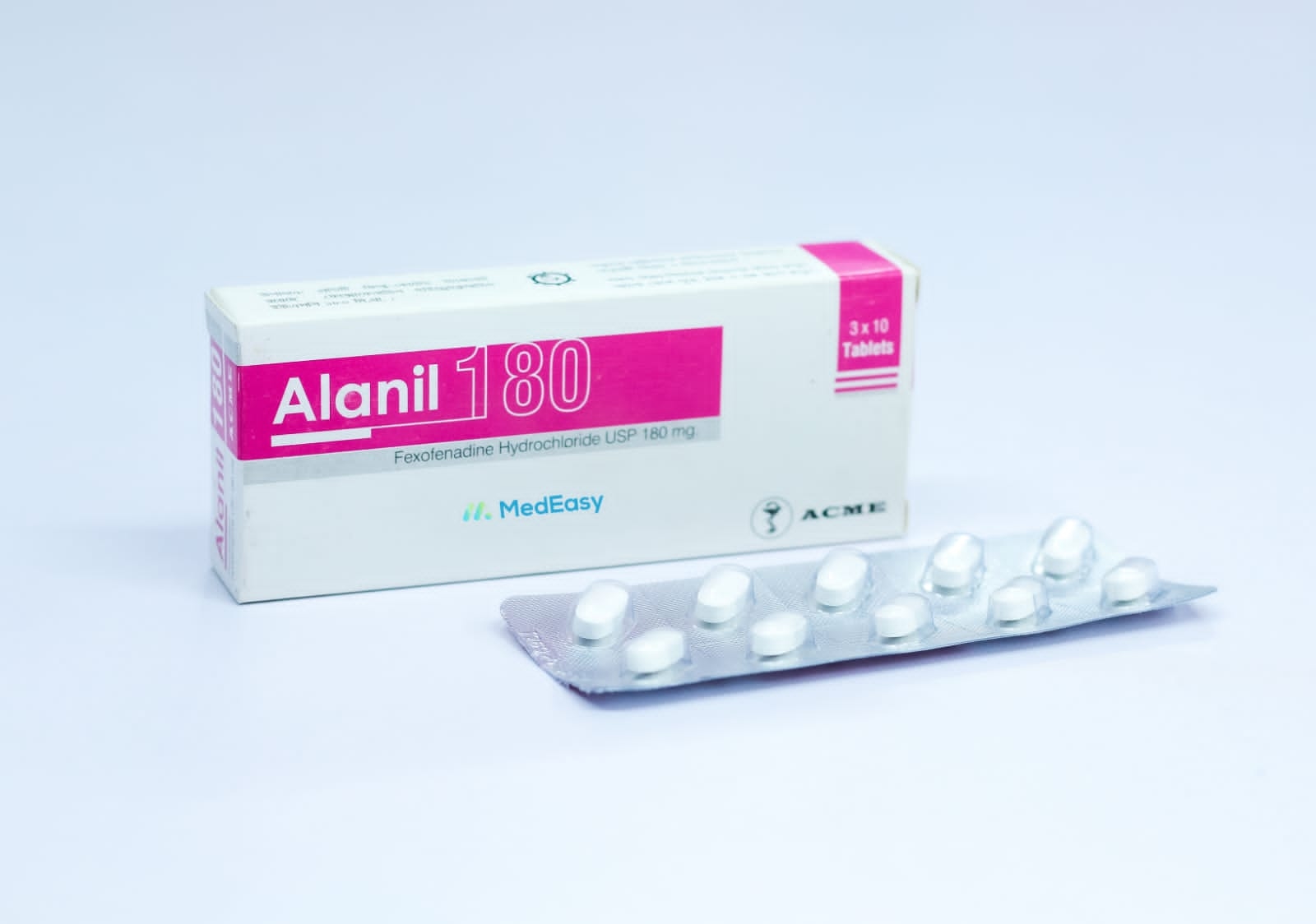
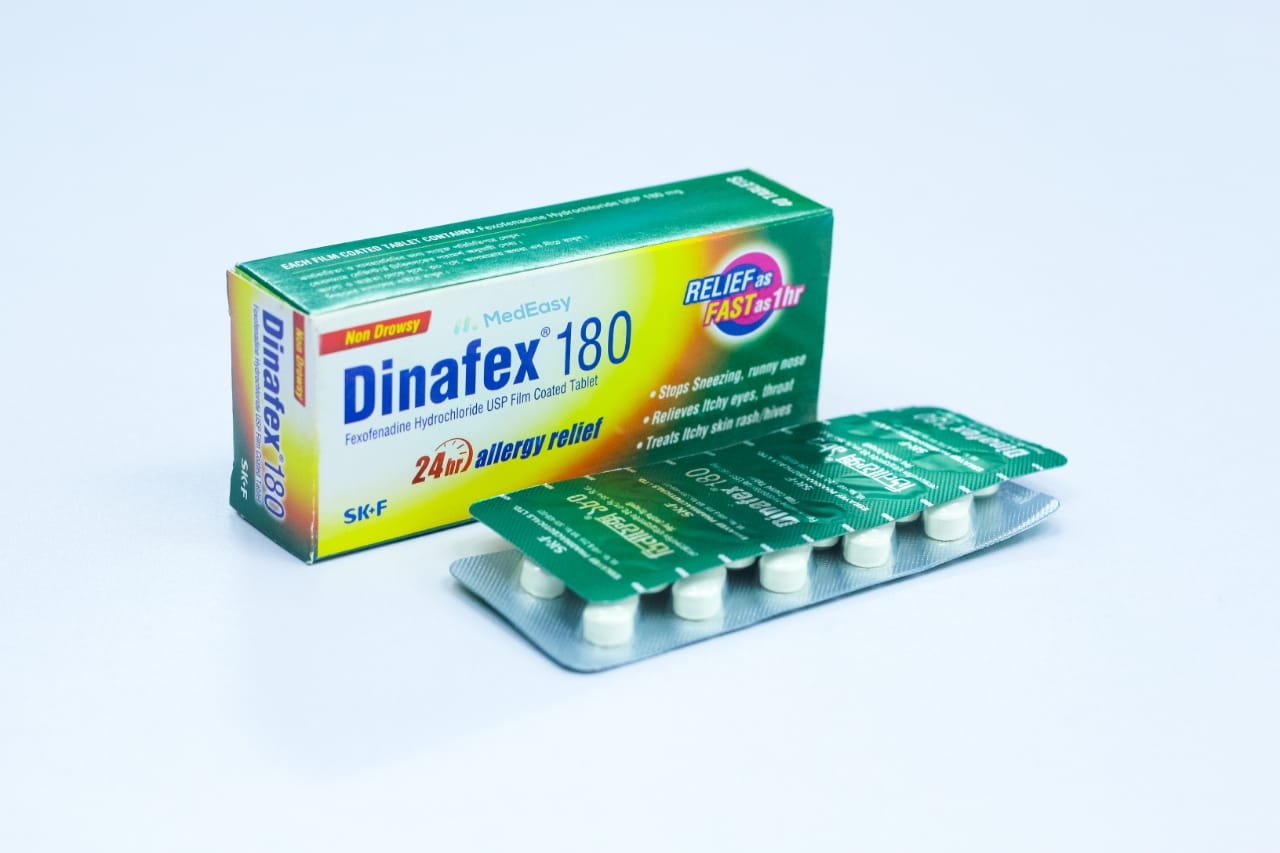
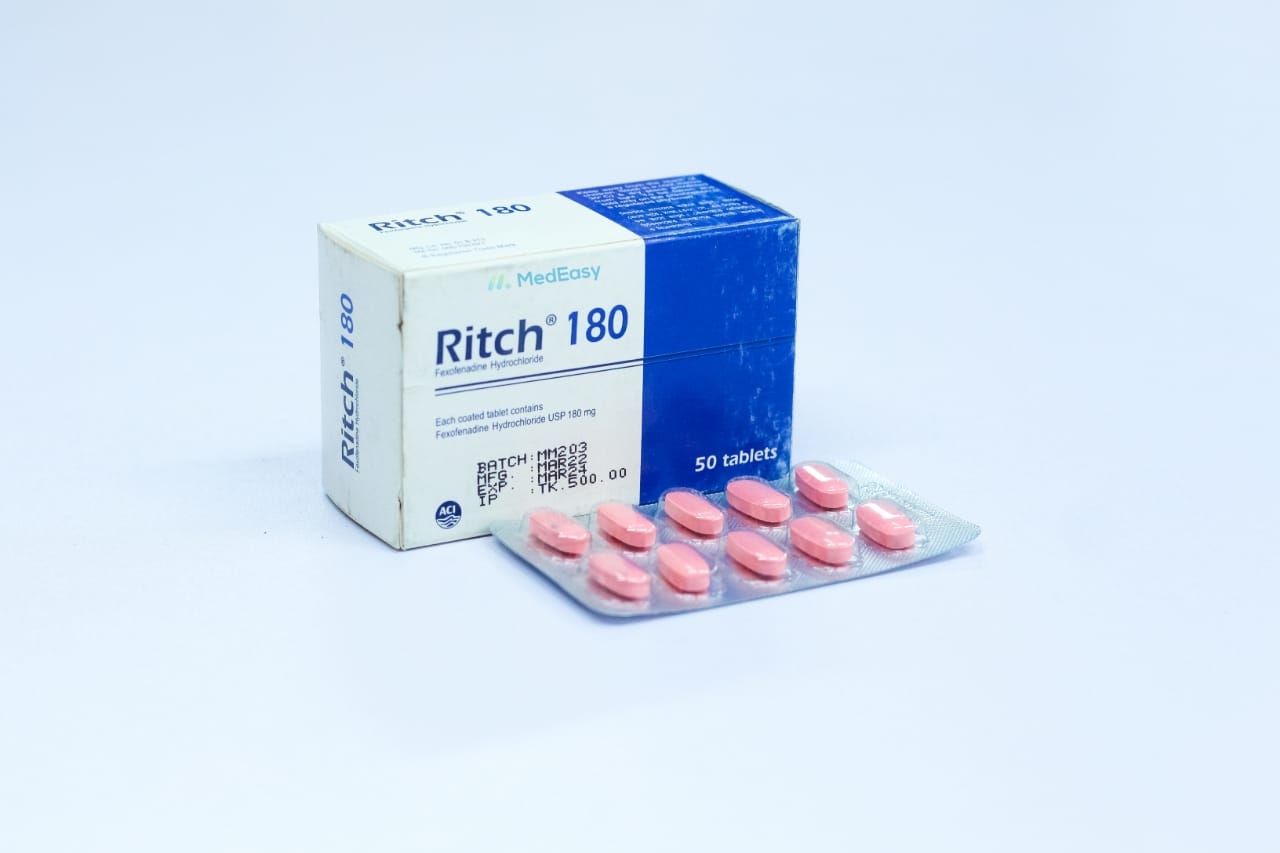
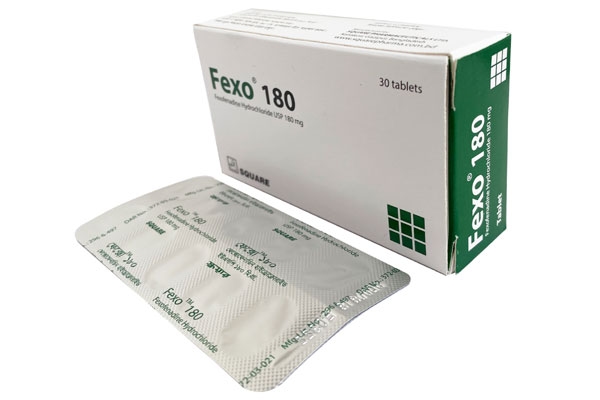
Fexo180 mg
Square Pharmaceuticals PLC.
৳108.00
Add to cart
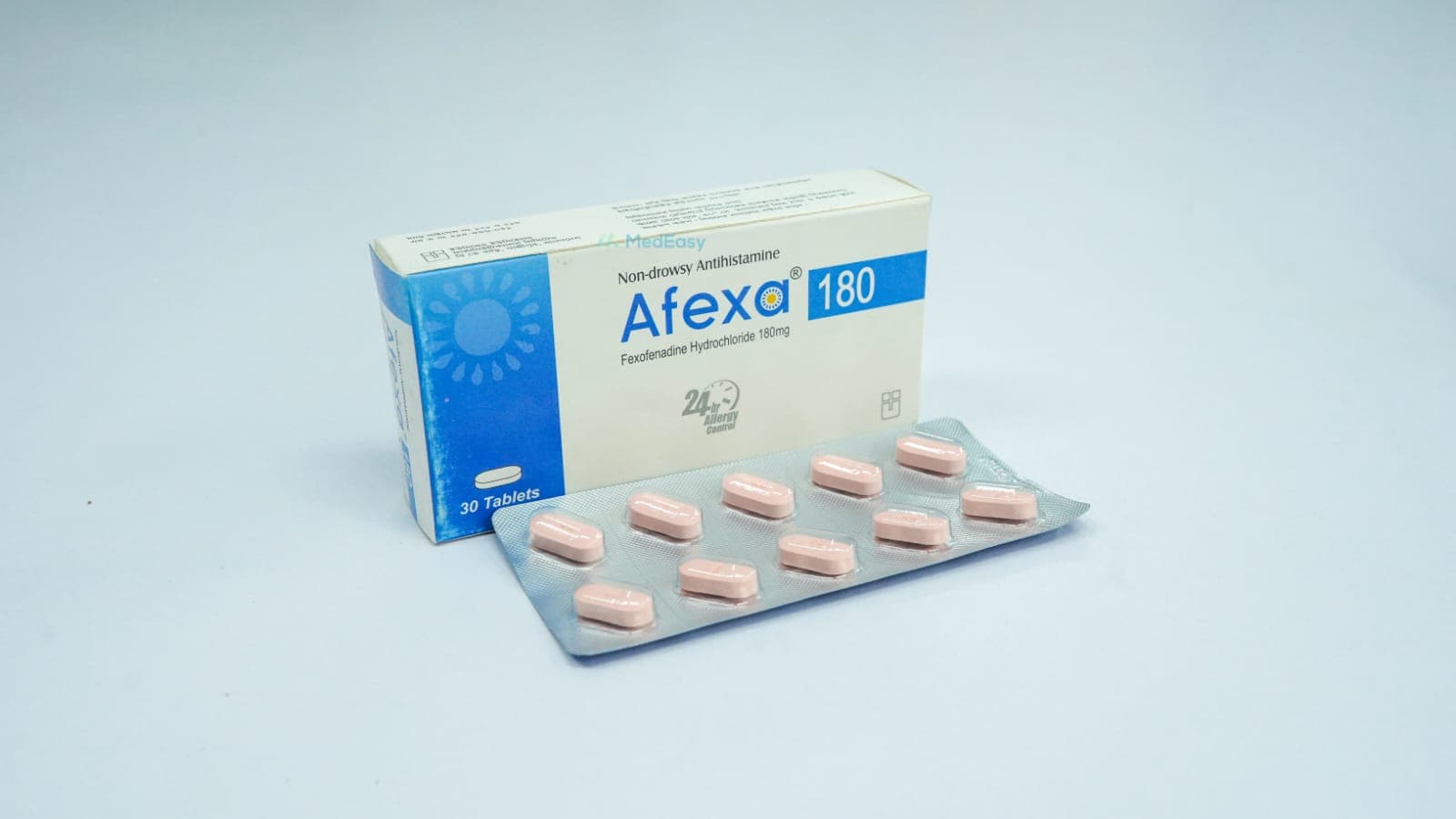

Afexa 180 mg is a selective, non-sedating, second-generation H1 antihistamine indicated for the symptomatic relief of allergic conditions in adults and children. It effectively reduces histamine-mediated allergic symptoms without causing the drowsiness associated with older, first-generation antihistamines. Fexofenadine is clinically proven to improve health-related quality of life and work or school productivity in allergic patients.
Afexa 180 mg is indicated for the relief of symptoms associated with seasonal allergic rhinitis (hay fever) and perennial allergic rhinitis (year-round nasal allergy) in adults and children 12 years of age and over. Symptoms effectively treated include:
Seasonal allergic rhinitis is typically triggered by outdoor allergens such as pollen from trees, grasses, and weeds during specific seasons. Perennial allergic rhinitis is caused by year-round indoor allergens such as house dust mites, pet dander, cockroach particles, and mold spores. Fexofenadine provides effective relief against both types.
Afexa 180 mg is indicated for the relief of symptoms associated with chronic idiopathic urticaria (CIU) — also known as chronic spontaneous urticaria (CSU) — in adults and children 12 years of age and older. Fexofenadine has been shown in clinical trials to significantly reduce:
Chronic idiopathic urticaria is defined as recurrent wheals and/or angioedema lasting more than 6 weeks for which no identifiable cause can be found. It significantly affects quality of life — Fexofenadine is endorsed by international allergy guidelines (EAACI/WAO) as a first-line treatment for CIU.
The oral suspension formulation of Fexofenadine is also approved for the relief of chronic idiopathic urticaria symptoms in children from 6 months of age — extending its use to a younger age group than the tablet formulation.
Non-Sedating Antihistamines (Second-Generation H1 Histamine Receptor Inverse Agonists)
Afexa 180 mg is a potent, selective, second-generation peripheral H1-histamine receptor inverse agonist. It is the active carboxylic acid metabolite of Terfenadine — a first-generation antihistamine that was withdrawn from the market due to cardiac safety concerns. Fexofenadine retains the full antihistaminic efficacy of Terfenadine while eliminating its cardiac toxicity risk.
Understanding the mechanism of Fexofenadine requires understanding the allergic cascade it interrupts:
Fexofenadine is considered an "inverse agonist" of the histamine H1 receptor rather than a simple competitive antagonist. This is a critical pharmacological distinction:
Fexofenadine's unique benefit over first-generation antihistamines lies in its inability to cross the blood-brain barrier at therapeutic concentrations. This is because:
There is no evidence that Fexofenadine carries any of the following activities that complicate older antihistamines:
The dose of Afexa 180 mg depends on the indication, the patient's age, and renal function. Always follow your registered physician's prescribed dose. Do not self-medicate.
Fexofenadine has a favorable drug interaction profile because it does not undergo significant hepatic biotransformation and therefore does not interact with other medications through hepatic CYP450 enzyme mechanisms. However, the following interactions are clinically relevant:
Co-administration of Afexa 180 mg with erythromycin (a macrolide antibiotic) or ketoconazole (an azole antifungal) has been shown to result in a 2- to 3-fold increase in plasma Fexofenadine concentrations. The proposed mechanism is inhibition of intestinal P-glycoprotein efflux transport (which normally limits Fexofenadine absorption) and possibly reduced biliary excretion. Despite the significant pharmacokinetic interaction:
Administration of antacids containing aluminum hydroxide and magnesium hydroxide gels within 15 minutes before Fexofenadine causes a clinically significant reduction in Fexofenadine bioavailability — most likely due to direct physical binding and adsorption of Fexofenadine in the gastrointestinal tract, preventing its absorption. To avoid this interaction:
No clinically significant pharmacokinetic interaction was observed between Fexofenadine and omeprazole. Proton pump inhibitors (PPIs) can therefore be co-administered with Fexofenadine without any dose separation requirement or dose adjustment.
Fruit juices — particularly grapefruit juice, orange juice, and apple juice — have been shown to significantly reduce the absorption of Fexofenadine. The mechanism involves inhibition of intestinal organic anion-transporting polypeptide (OATP) drug transporters (OATP1A2 and OATP2B1), which normally facilitate Fexofenadine uptake across the gut wall. Studies have demonstrated that these juices can reduce Fexofenadine bioavailability by up to 36% compared to water. Patients should be strongly advised to take Fexofenadine only with plain water, not with any fruit juice.
Although Fexofenadine is considered a non-sedating antihistamine, rare cases of drowsiness have been reported. Patients taking CNS depressants (benzodiazepines, opioids, alcohol, sedative hypnotics) should exercise caution, as any additive CNS depressant effect — though minimal — cannot be entirely excluded at higher plasma concentrations. The absence of significant sedative activity at standard doses makes this interaction largely theoretical at therapeutic doses.
Since Fexofenadine is a substrate of P-glycoprotein (P-gp) transporters in the gut wall and blood-brain barrier, drugs that are potent P-gp inhibitors (e.g., rifampicin, itraconazole, ritonavir) may potentially alter its absorption and CNS penetration. The clinical significance at standard antihistamine doses is considered low, but awareness of this interaction class is advisable in patients on complex medication regimens.
Afexa 180 mg is contraindicated in the following situations:
Note: Fexofenadine does not have the cardiac safety concerns (QT prolongation, torsades de pointes) associated with its predecessor Terfenadine, and therefore does not carry the cardiovascular contraindications that applied to Terfenadine (concurrent ketoconazole, erythromycin, or QT-prolonging drugs).
Afexa 180 mg has an excellent tolerability profile. In clinical trials, the frequency of side effects was similar to that observed with placebo in adults. The following adverse effects have been reported, classified by frequency:
Adverse events reported at an incidence similar to placebo:
The following additional adverse effects have been identified during post-marketing surveillance. Their exact frequency is not known:
In children under 2 years receiving oral suspension, the safety profile has not been as extensively studied as in older children and adults. Extra caution and monitoring are warranted in this age group (see Use in Special Populations).
If a serious hypersensitivity reaction (anaphylaxis, angioedema, severe bronchospasm) develops, discontinue Fexofenadine immediately and seek emergency medical care.
There are no adequate and well-controlled clinical studies on the use of Afexa 180 mg in pregnant women. Available animal studies at doses substantially exceeding the human therapeutic dose did not indicate direct or indirect harmful effects with respect to:
However, because animal reproductive toxicology studies are not always predictive of human outcomes, Afexa 180 mg should not be used during pregnancy unless clearly necessary — i.e., when the potential benefit to the mother outweighs any theoretical risk to the fetus. Physicians should be consulted before use during pregnancy. If antihistamine therapy is required during pregnancy, a drug with a more established safety record in human pregnancy may be preferred.
There are currently no direct data on Fexofenadine concentrations in human breast milk following administration of Afexa 180 mg. However, when the parent compound Terfenadine was administered to nursing mothers, Fexofenadine (as its active metabolite) was found to cross into human breast milk. This indicates that Fexofenadine is likely to be excreted in breast milk when taken directly. As a result:
No human data are available on the effect of Afexa 180 mg on human fertility. In animal studies (mice), there was no effect on fertility with Fexofenadine treatment at doses tested. No fertility concerns are currently anticipated at therapeutic doses based on available preclinical data.
As with most medications, there is only limited clinical data in elderly patients and in patients with renal or hepatic impairment. Afexa 180 mg should be administered with care in these special patient groups. Dose adjustment is required in patients with renal impairment (see Dosage and Use in Special Populations sections).
Patients with a history of, or current, cardiovascular disease (including cardiac arrhythmias, heart failure, or ischemic heart disease) should be warned that antihistamines as a drug class have been associated with the adverse effects of tachycardia and palpitations in post-marketing reports. While Fexofenadine does not prolong the QT interval at therapeutic doses and does not carry the cardiac toxicity of Terfenadine, patients with existing cardiac conditions should be monitored for any cardiac symptoms during therapy and advised to report palpitations or rapid heartbeat to their physician promptly.
Patients should be specifically counseled to never take Fexofenadine with grapefruit juice, orange juice, or apple juice. These juices reduce Fexofenadine bioavailability by up to 36% through inhibition of intestinal drug transporters. Fexofenadine should always be taken with plain water to ensure optimal and consistent drug absorption.
Aluminum and magnesium hydroxide-containing antacids significantly reduce Fexofenadine absorption when taken within 15 minutes. Patients who need antacids should leave a minimum gap of 2 hours between antacid intake and Fexofenadine to avoid this interaction.
On the basis of Fexofenadine's pharmacodynamic profile (no CNS penetration at therapeutic doses) and the low incidence of adverse CNS reactions in clinical trials, Afexa 180 mg is unlikely to produce an effect on the ability to drive or operate machinery. In objective psychomotor testing, Fexofenadine has been shown to have no significant effects on central nervous system function, speed of reaction, or alertness — allowing patients to drive and perform tasks requiring concentration.
However, because rare individual sensitivity to any medication cannot be predicted, it is advisable for patients to assess their own personal response to Fexofenadine before driving or undertaking complex tasks — particularly when initiating therapy. This is consistent with the general precaution applicable to any medication.
Although rare, serious hypersensitivity reactions including anaphylaxis and angioedema have been reported with Fexofenadine. Patients should be instructed to discontinue Fexofenadine immediately and seek emergency medical care if they develop symptoms of anaphylaxis, angioedema (swelling of the face, throat, or tongue), severe difficulty breathing, or significant urticaria. A history of allergy to Terfenadine should prompt caution.
Afexa 180 mg has an excellent safety margin with a wide therapeutic index. The following is known from overdose data:
In clinical pharmacokinetic and safety studies:
The maximum tolerated dose has not been formally established. These data suggest that accidental overdose at commonly available tablet strengths (60 mg, 120 mg, 180 mg) is unlikely to cause serious harm in otherwise healthy individuals.
In the event of suspected overdose, contact a poison control center or seek emergency medical care immediately.
The pharmacokinetics of Fexofenadine are significantly altered in patients with renal impairment. Since the primary elimination route of Fexofenadine is renal, reduced kidney function leads to decreased drug clearance, increased bioavailability, and a prolonged half-life. These pharmacokinetic changes substantially increase systemic drug exposure:
Based on these increases in bioavailability and half-life, a starting dose of 60 mg once daily is recommended in all patients with decreased renal function. The dose should not be increased further without clinical reassessment of renal function and therapeutic response. Hemodialysis does not effectively remove Fexofenadine from the bloodstream.
Moderate to severe hepatic disease does not substantially affect the pharmacokinetics of Fexofenadine. Since Fexofenadine undergoes minimal hepatic metabolism, liver impairment does not significantly impair its clearance. No dose adjustment is required for hepatic impairment based on currently available data. However, as there is limited data in patients with severe hepatic disease, caution and clinical monitoring are advisable.
In clinical trials, adverse events in elderly patients (≥65 years) were similar in type and frequency to those in patients under 65 years of age — Fexofenadine is well tolerated in older adults. However, the pharmacokinetics of Fexofenadine are altered in individuals over 65 years, with increased bioavailability due to reduced renal clearance associated with age-related decline in kidney function. Elderly patients should therefore be started at the lowest effective dose and monitored for any age-related accumulation effects. No specific dose adjustment guideline is defined for age alone, but awareness of increased drug exposure is important.
Fexofenadine has been studied and is approved for use in children across different age groups:
Fexofenadine is not approved for use in children under 6 months of age. Renal dosing adjustments apply across all pediatric age groups if renal impairment is present.
Non-sedating antihistamines
The H1 histamine receptor is responsible for mediating hypersensitivity and allergic reactions. Hypersensitivity and allergic responses are mediated by the H1 histamine receptor. Mast cells and basophils degranulate in response to allergen exposure, releasing histamine and other inflammatory mediators as a result. Histamine binds to and activates H1 receptors, which causes basophils and mast cells to further release pro-inflammatory cytokines such as interleukins. Many allergy symptoms, including pruritus, rhinorrhea, and watery eyes, are caused by these histamine binding's downstream effects. Because it binds to and stabilizes the inactive version of the receptor, fexofenadine is referred to as an "inverse agonist" of the H1 receptor because it prevents the receptor's activation and consequent downstream effects. There is no proof that it has antidopaminergic, antiserotonergic, anticholinergic, sedative, or adrenergic blocking effects, despite having a strong and specific affinity for H1 receptors. As fexofenadine cannot cross the blood-brain barrier, it is unlikely to have a substantial impact on the central nervous system.
The use of Afexa 180 mg in pregnant women is not supported by enough data. There aren't any direct or indirect negative effects on pregnancy, embryonal/fetal development, parturition, or postnatal development, according to the few available animal studies. If not absolutely required, Afexa 180 mg shouldn't be taken while pregnant. Data about the composition of human milk following the administration of Afexa 180 mg are lacking. Fexofenadine was discovered to pass into human breast milk when Terfenadine was given to nursing mothers. Fexofenadine hydrochloride is therefore not advised for moms who are nursing their infants. Fexofenadine hydrochloride's effect on fertility has not been studied in humans. The medication with Afexa 180 mg had no impact on fertility in mice.
Patient with renal and hepatic impairment: People with renal impairment have different fexofenadine pharmacokinetics. In patients with impaired renal function, a dose of 60 mg once daily is advised as the initial dose due to increases in bioavailability and half-life. The pharmacokinetics of fexofenadine are not significantly impacted by moderate to severe hepatic disease. The patient over 65: Adverse effects in this group were comparable to those in patients under 65. Yet in people over 65, fexofenadine's pharmacokinetics are changed (its bioavailability is enhanced).
What is Afexa 180 mg used for?
Afexa 180 mg is a selective, non-sedating, second-generation H1 antihistamine indicated for the symptomatic relief of allergic conditions in adults and children. It effectively reduces histamine-mediated allergic symptoms without causing the drowsiness associated with older, first-generation antihistamines. Fexofenadine is clinically proven to improve health-related quality of life and work or sch…
What is the dosage of Afexa 180 mg?
The dose of Afexa 180 mg depends on the indication, the patient's age, and renal function. Always follow your registered physician's prescribed dose. Do not self-medicate. Allergic Rhinitis — Tablets Patient Group Standard Dose Renal Impairment Dose Adults and children ≥12 years 60 mg twice daily, OR 120 mg once daily, OR 180 mg once daily 60 mg once daily Children 6–11 years 30 mg twice daily, OR…
What are the side effects of Afexa 180 mg?
Afexa 180 mg has an excellent tolerability profile. In clinical trials, the frequency of side effects was similar to that observed with placebo in adults. The following adverse effects have been reported, classified by frequency: Common Side Effects (≥1/100 to <1/10) — Reported in Clinical Trials Adverse events reported at an incidence similar to placebo: Headache — most commonly reported adverse …
Who should not take Afexa 180 mg?
Afexa 180 mg is contraindicated in the following situations: Known hypersensitivity to Afexa 180 mg or to any excipient in the formulation. Hypersensitivity reactions including anaphylaxis, angioedema, urticaria, and rash have been reported. Known hypersensitivity to Terfenadine — since Fexofenadine is the active metabolite of Terfenadine, cross-sensitivity is possible and the combination should n…
What precautions should be taken with Afexa 180 mg?
Limited Data in Elderly, Renally Impaired, and Hepatically Impaired Patients As with most medications, there is only limited clinical data in elderly patients and in patients with renal or hepatic impairment . Afexa 180 mg should be administered with care in these special patient groups. Dose adjustment is required in patients with renal impairment (see Dosage and Use in Special Populations sectio…
Is Afexa 180 mg safe during pregnancy and breastfeeding?
Pregnancy There are no adequate and well-controlled clinical studies on the use of Afexa 180 mg in pregnant women . Available animal studies at doses substantially exceeding the human therapeutic dose did not indicate direct or indirect harmful effects with respect to: Reproductive toxicity or teratogenicity Embryonal or fetal development Parturition (labor and delivery) Postnatal development Howe…
The information provided is accurate to our best practices, but it does not replace professional medical advice. We cannot guarantee its completeness or accuracy. The absence of specific information about a drug should not be seen as an endorsement. We are not responsible for any consequences resulting from this information, so consult a healthcare professional for any concerns or questions.