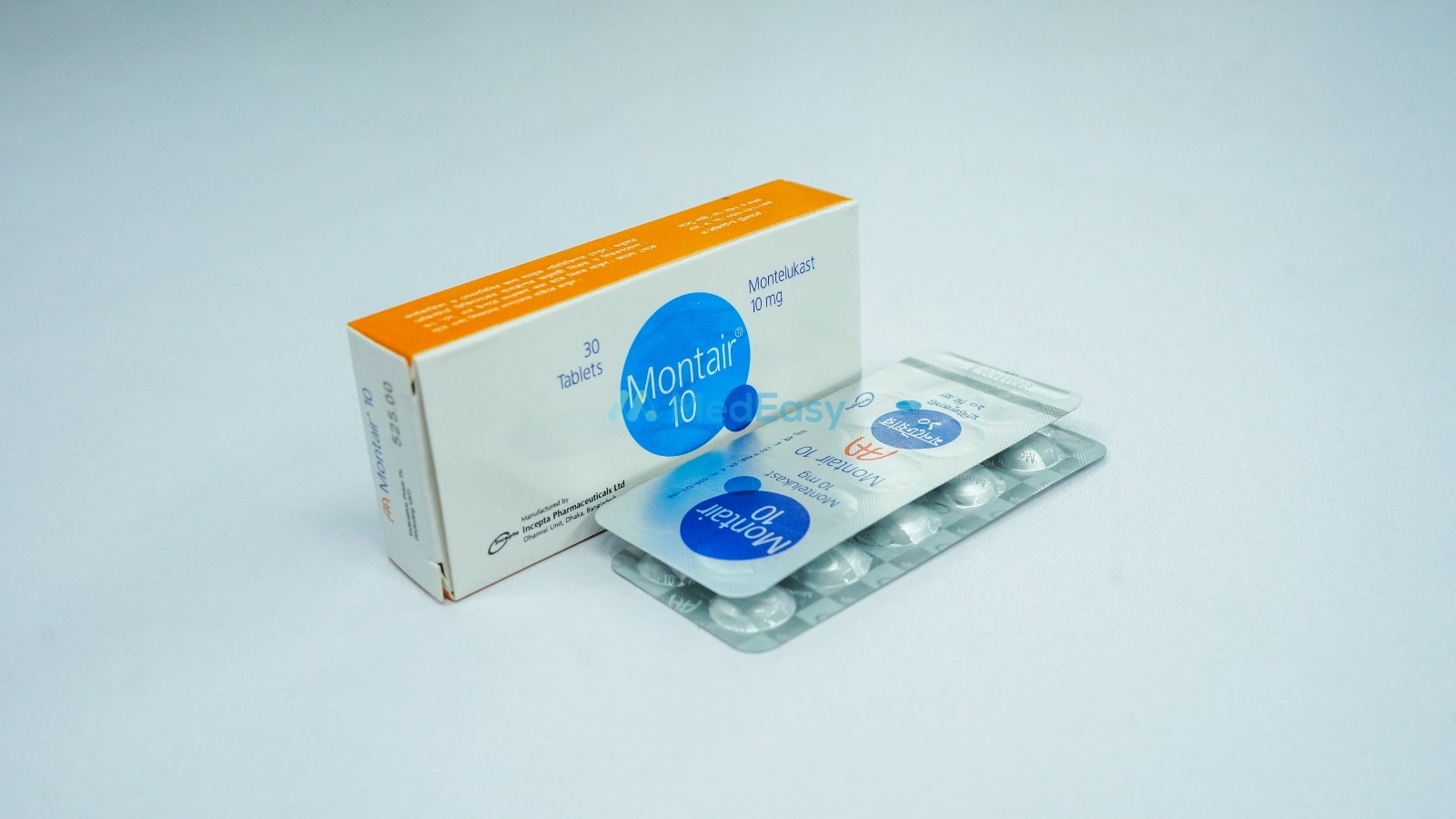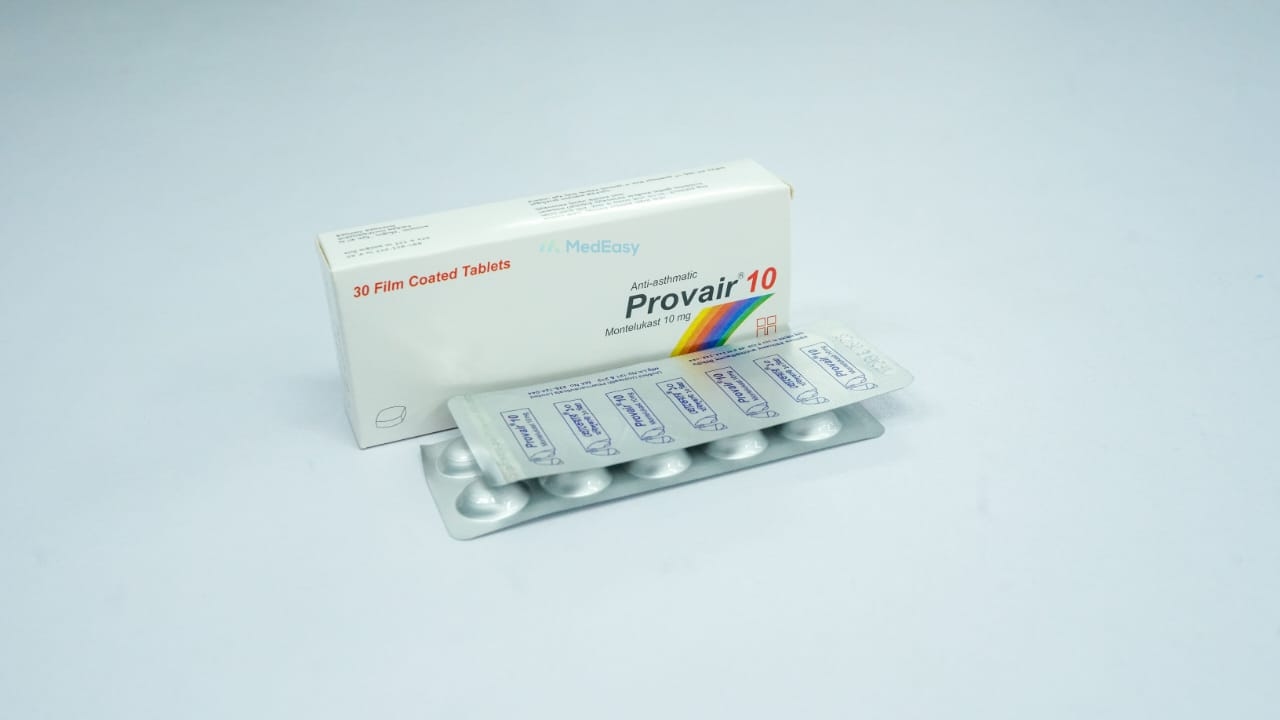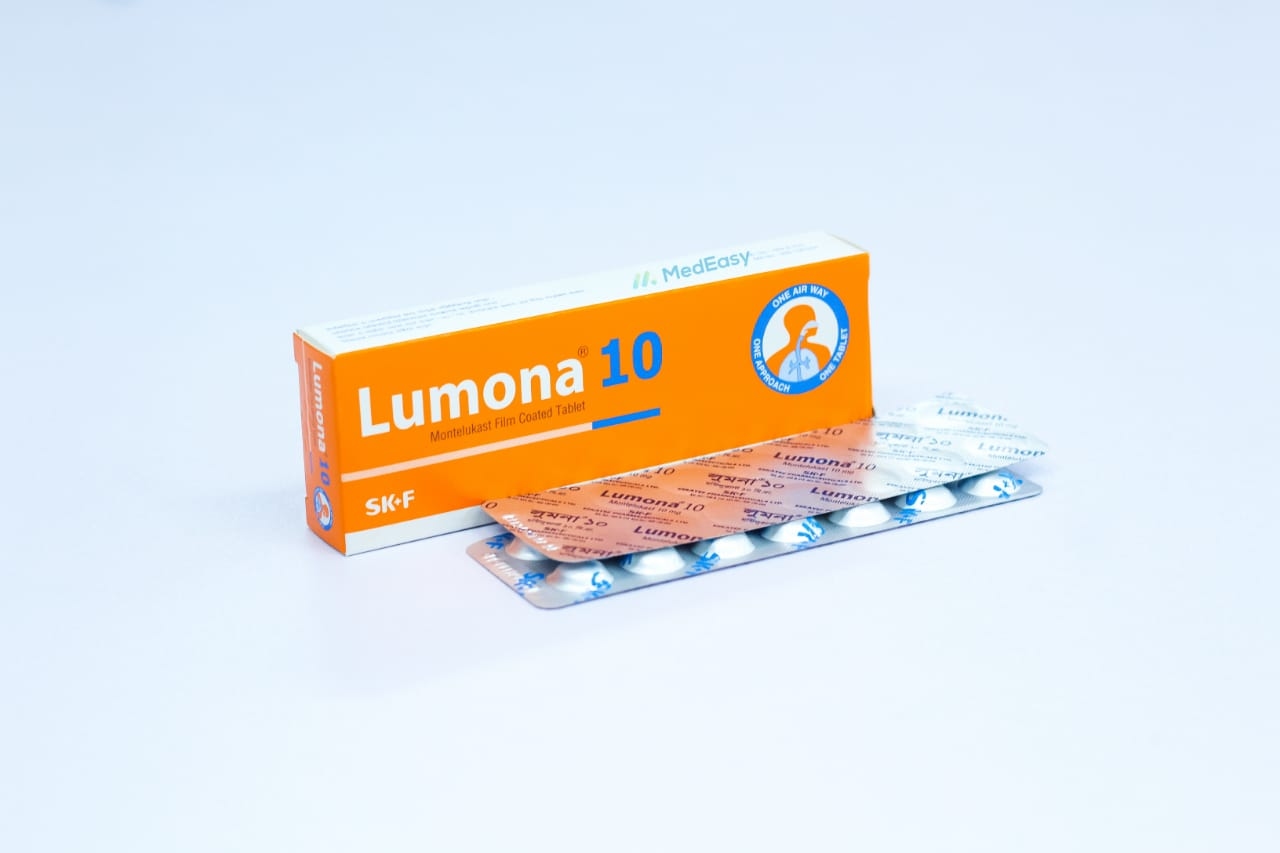
10% Off
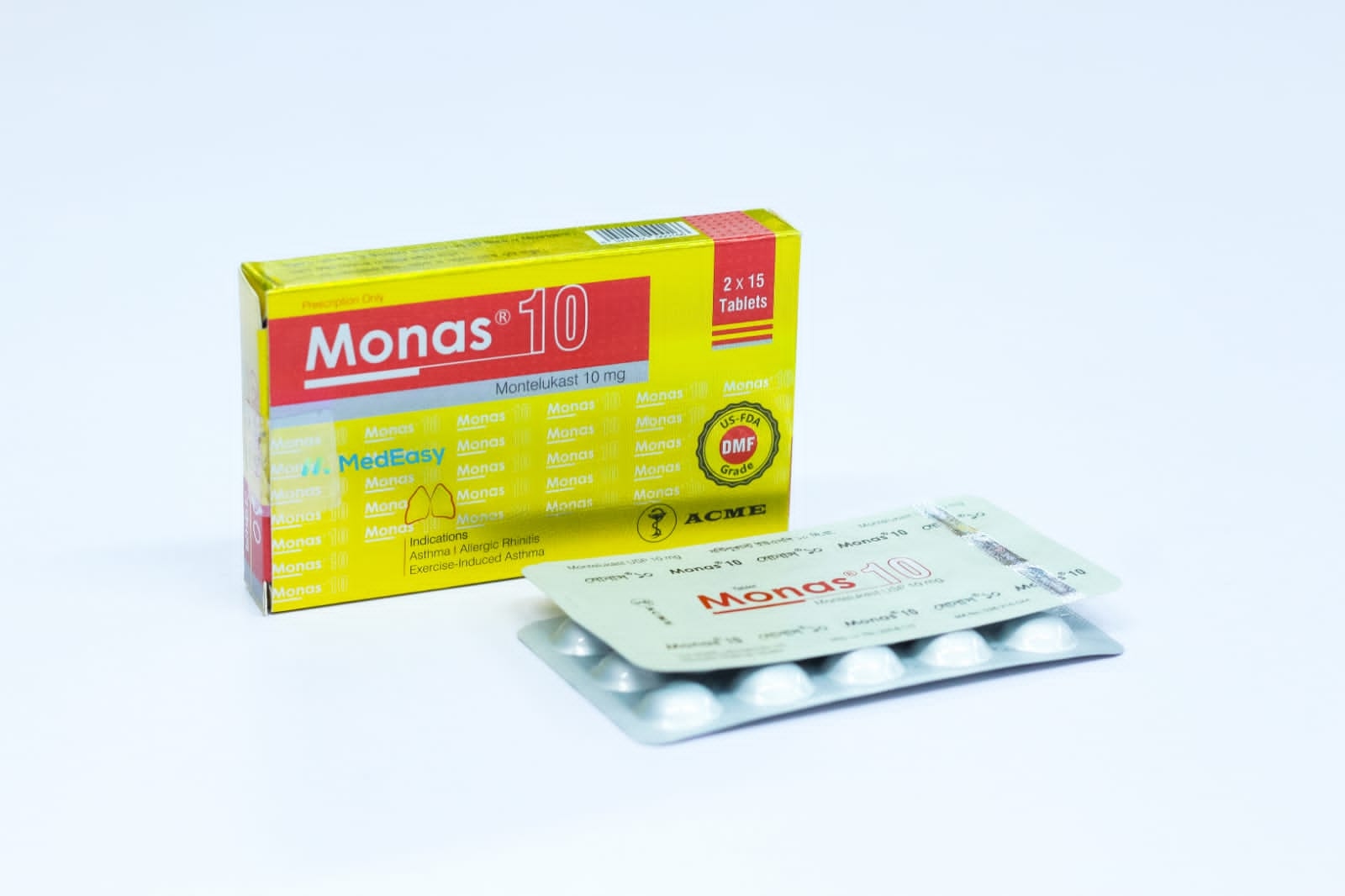
Monas 1010 mg
ACME Laboratories Ltd.
৳236.25
Add to cart
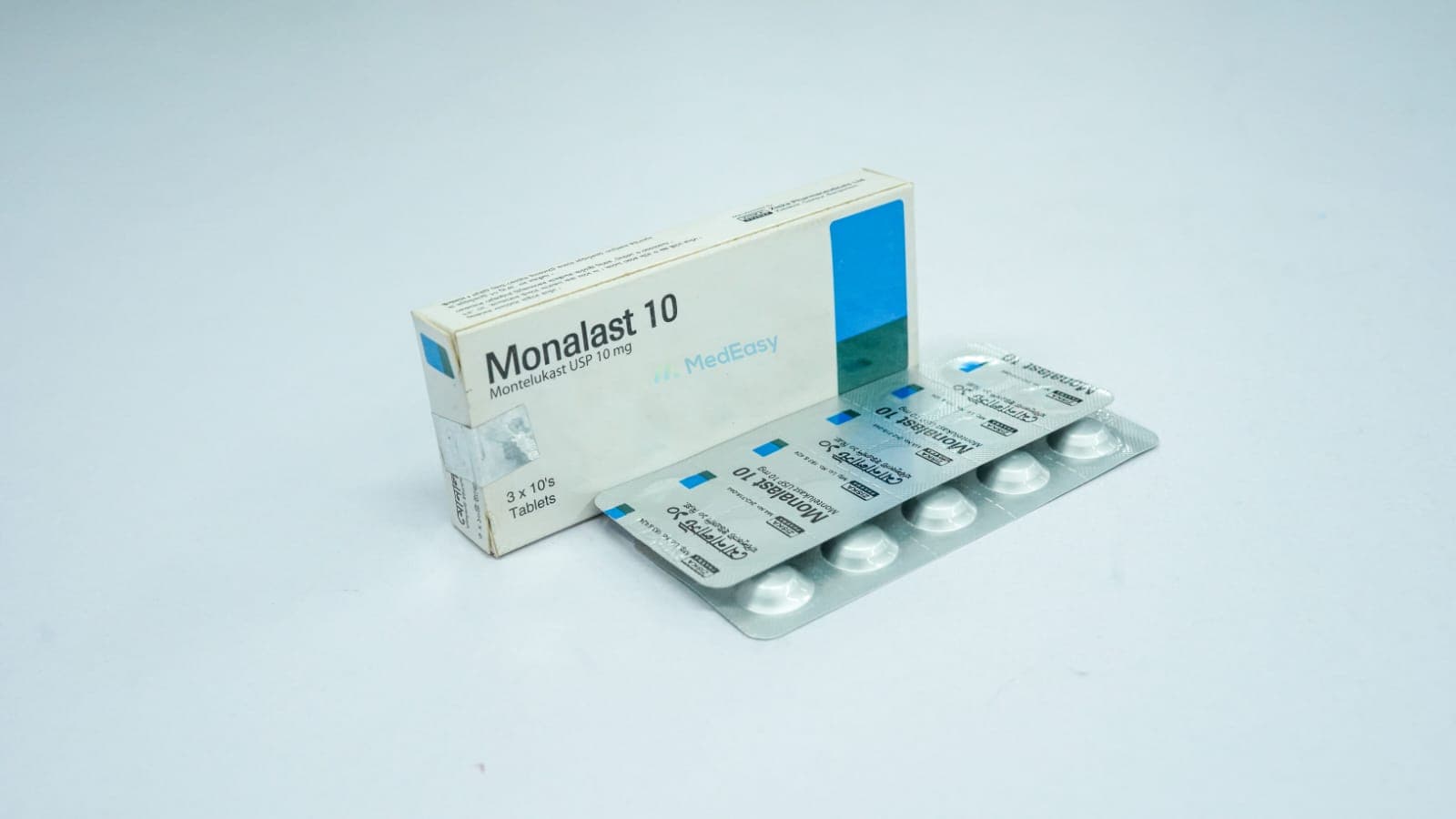

Monalast 10 mg Sodium is a selective and orally active leukotriene receptor antagonist (LTRA) indicated for the prevention and long-term management of respiratory allergic conditions in adults and children. It is prescribed across a wide age range — from infants as young as 6 months to adults — in various formulations tailored to each age group.
Monalast 10 mg Sodium is indicated for the prophylaxis and long-term chronic treatment of asthma in adults and pediatric patients from 6 months of age and older. It is used to:
Monalast 10 mg is particularly beneficial in patients with concurrent asthma and allergic rhinitis (the "one airway, one disease" concept), where it can address both conditions simultaneously with once-daily oral therapy. It is also particularly effective in patients with aspirin-exacerbated respiratory disease (AERD / aspirin-sensitive asthma), where leukotriene overproduction is a key pathophysiological mechanism.
Important: Monalast 10 mg is not a rescue medication. It should not be used to relieve acute bronchospasm or status asthmaticus. Patients must always have appropriate quick-relief (rescue) bronchodilator therapy available.
Monalast 10 mg Sodium is indicated for the acute prevention of exercise-induced bronchoconstriction (EIB) in patients aged 6 years and older. A single dose taken at least 2 hours before exercise significantly attenuates the bronchoconstrictor response triggered by physical exertion. Patients already taking Monalast 10 mg once daily for asthma or allergic rhinitis should not take an additional dose for EIB prevention. Monalast 10 mg should not be used as the sole or primary treatment for exercise-induced bronchoconstriction — it should be part of an overall asthma management plan.
Monalast 10 mg Sodium is indicated for the relief of symptoms of seasonal allergic rhinitis (hay fever) in adults and pediatric patients aged 2 years and older. It reduces the following symptoms caused by pollen, mold spores, and other seasonal outdoor allergens:
Monalast 10 mg Sodium is also indicated for the relief of symptoms of perennial allergic rhinitis (year-round rhinitis) in adults and pediatric patients aged 6 months and older. Perennial rhinitis is triggered by year-round indoor allergens such as house dust mites, cockroach antigens, pet dander, and indoor mold — conditions highly prevalent in Bangladesh's humid tropical climate.
Leukotriene Receptor Antagonists (LTRAs) / Antiasthmatic Drugs
Monalast 10 mg Sodium is a selective, competitive, and orally active antagonist of the cysteinyl leukotriene-1 (CysLT1) receptor. It belongs to the class of drugs known as leukotriene receptor antagonists (LTRAs) — also called antileukotrienes — and represents an entirely different mechanistic approach to asthma and rhinitis management compared to corticosteroids, beta-agonists, and antihistamines.
Understanding Monalast 10 mg's mechanism requires understanding the role of leukotrienes in allergic inflammation:
Monalast 10 mg competitively and selectively binds to the CysLT1 receptor with high affinity and potency, blocking the receptor's activation by all three cysteinyl leukotrienes (LTC4, LTD4, LTE4). By occupying the CysLT1 receptor, Monalast 10 mg:
Crucially, Monalast 10 mg acts at a complementary inflammatory pathway to antihistamines (which target H1 histamine receptors) and corticosteroids (which broadly suppress all inflammatory mediators). This allows Monalast 10 mg to be combined with these agents for additive clinical benefit, particularly in patients with comorbid asthma and rhinitis.
Monalast 10 mg Sodium is administered once daily. The dose depends on the patient's age and indication. Always follow your registered physician's prescribed dose. Do not self-medicate.
Monalast 10 mg has a favorable drug interaction profile. At recommended clinical doses, Monalast 10 mg does not significantly affect the pharmacokinetics of other commonly co-prescribed medications. However, certain interactions require clinical awareness:
In dedicated drug interaction studies and in extensive clinical trial populations, Monalast 10 mg at its recommended clinical dose was administered concurrently with the following drugs without producing clinically important pharmacokinetic changes in either direction:
Monalast 10 mg is metabolized primarily by the hepatic enzymes CYP3A4 and CYP2C8. Drugs that potently induce these enzymes can significantly accelerate Monalast 10 mg metabolism, reducing its plasma concentrations and potentially its therapeutic efficacy:
Recommendation: It is reasonable to employ appropriate clinical monitoring when potent CYP450 enzyme inducers (particularly phenobarbital or rifampin) are co-administered with Monalast 10 mg. If asthma or rhinitis control deteriorates, consider increasing the monitoring frequency and reviewing alternative or add-on therapies.
Gemfibrozil, a lipid-lowering agent and potent CYP2C8 inhibitor, has been shown to increase Monalast 10 mg plasma AUC by approximately 4.5-fold through inhibition of Monalast 10 mg's primary metabolic pathway. While this interaction does not appear to be associated with serious safety concerns at standard doses (Monalast 10 mg has a wide therapeutic index), clinicians should be aware of potentially higher drug exposure and monitor for any dose-dependent adverse effects.
Monalast 10 mg is designed to be used in combination with other antiasthmatic and antiallergic medications as part of a stepwise management approach. Established and clinically beneficial combinations include:
Monalast 10 mg Sodium is contraindicated in the following situations:
Monalast 10 mg Sodium is generally well tolerated across all age groups. Most adverse effects are mild to moderate in severity. The following adverse events are classified by frequency:
In March 2020, the US FDA added a black box warning to the Monalast 10 mg prescribing information regarding serious neuropsychiatric adverse events. These include:
These neuropsychiatric effects have been reported in both adults and pediatric patients. The benefits and risks should be carefully weighed before prescribing Monalast 10 mg, particularly in patients with a history of anxiety, depression, or psychiatric disorders. Patients and caregivers should be informed of these risks and instructed to contact a physician immediately if any behavioral or mood changes occur during therapy. Monalast 10 mg should be discontinued if neuropsychiatric events develop.
Monalast 10 mg crosses the placenta following oral dosing — this has been confirmed in animal studies (rats and rabbits). At doses exceeding the maximum recommended human dose, Monalast 10 mg has not been shown to be teratogenic or to cause reproductive toxicity in animal studies. However, as animal studies are not always predictive of human outcomes, there are no adequate and well-controlled studies in pregnant women. The safety of Monalast 10 mg during human pregnancy has not been fully established.
Monalast 10 mg should be used during pregnancy only if clearly needed — when the potential benefit to the mother justifies any theoretical risk to the fetus. Physicians should consider the risk of untreated or undertreated asthma during pregnancy (which is associated with increased maternal and fetal complications including preterm birth, low birth weight, and preeclampsia) against the theoretical risk of Monalast 10 mg. Where possible, well-established asthma medications with longer human safety records (particularly inhaled corticosteroids) should be preferred during pregnancy.
Post-marketing surveillance studies and pregnancy registries have not consistently identified an increased risk of major congenital malformations with first-trimester Monalast 10 mg exposure, but data remain limited.
It is not known whether Monalast 10 mg is excreted into human breast milk. Since many lipophilic drugs are excreted in human milk, and given Monalast 10 mg's high plasma protein binding (99%), some transfer to breast milk is expected. However, because of the minimal renal excretion and predominantly hepatic/biliary elimination of Monalast 10 mg, the estimated infant exposure via breastfeeding would likely be low.
Caution should be exercised when Monalast 10 mg is administered to a nursing mother. The decision to continue breastfeeding while taking Monalast 10 mg should be made by weighing the significant benefits of breastfeeding for both infant and mother against any theoretical risk to the infant, in consultation with the treating physician.
Animal studies with Monalast 10 mg did not demonstrate any effects on fertility. No human data on fertility effects are available, but no concerns have been identified.
Monalast 10 mg is not indicated for use in the reversal of bronchospasm in acute asthma attacks, including status asthmaticus. It does not have bronchodilator properties and will not relieve acute airflow obstruction. Patients should be explicitly counseled to:
While Monalast 10 mg may allow gradual reduction of the inhaled corticosteroid dose under medical supervision in some patients who achieve good asthma control, Monalast 10 mg must not be abruptly substituted for inhaled or oral corticosteroids. Abrupt corticosteroid withdrawal can precipitate severe asthma exacerbations. Any reduction in corticosteroid dose must be supervised and stepwise, with regular monitoring of asthma control.
Given the FDA's 2020 Black Box Warning for serious neuropsychiatric events (see Side Effects section), all patients and their caregivers must receive comprehensive counseling before initiating Monalast 10 mg:
Monalast 10 mg should not be used as the sole or primary treatment for exercise-induced bronchoconstriction. In patients with underlying asthma, comprehensive asthma management (including inhaled corticosteroids where indicated) is the primary therapeutic strategy. EIB prevention is an adjunctive benefit of Monalast 10 mg therapy, not an indication for its use in isolation.
Patients with known aspirin sensitivity and NSAID-triggered bronchospasm should continue to strictly avoid aspirin and all non-selective NSAIDs while taking Monalast 10 mg. Although Monalast 10 mg effectively improves airway function in aspirin-sensitive asthmatic patients (by blocking the leukotriene component of the aspirin-triggered response), it does not completely block the bronchoconstrictor response to aspirin or NSAIDs — it has not been shown to fully truncate the aspirin-induced bronchoconstriction in these patients. Accidental aspirin or NSAID exposure remains dangerous in aspirin-sensitive patients taking Monalast 10 mg.
Rare cases of eosinophilic granulomatosis with polyangiitis (EGPA, formerly Churg-Strauss syndrome) have been reported in patients receiving Monalast 10 mg — typically in the context of reducing systemic corticosteroid therapy. While a causal relationship with Monalast 10 mg has not been definitively established (it appears more likely that these cases represent unmasking of pre-existing vasculitis as corticosteroids are withdrawn), physicians should monitor patients for eosinophilia, vasculitic rash, cardiac complications, peripheral neuropathy, and worsening pulmonary symptoms. If EGPA is suspected, Monalast 10 mg should be discontinued and specialist evaluation sought urgently.
Drowsiness and dizziness have been reported with Monalast 10 mg. Patients should assess their individual response before driving or operating heavy machinery. However, in clinical studies, psychomotor performance has not been significantly impaired at therapeutic doses.
Monalast 10 mg Sodium has a wide therapeutic index and serious toxicity from overdose is uncommon. The following is known from reported overdose cases:
In the event of suspected Monalast 10 mg overdose, contact a poison control center or seek emergency medical care immediately.
The safety and efficacy of Monalast 10 mg have been established through adequate and well-controlled clinical studies in pediatric patients with asthma from 6 months to 14 years of age. The safety and efficacy profiles in this age group are comparable to those seen in adults. Key pediatric considerations:
The pharmacokinetic profile and oral bioavailability of Monalast 10 mg 10 mg are similar in elderly and younger adult patients. The plasma half-life is slightly longer in the elderly (approximately 6 hours vs. 3–5 hours in younger adults), but this modest difference has no clinically meaningful consequences. No dosage adjustment is required in elderly patients.
Elderly patients should be monitored for neuropsychiatric effects at the same level of vigilance as younger patients, as this population may be more susceptible to CNS adverse events from medications generally.
Since Monalast 10 mg is extensively metabolized in the liver, hepatic function can influence drug exposure. In clinical pharmacokinetic studies:
Since Monalast 10 mg and its metabolites are excreted almost entirely via biliary/fecal routes (less than 0.2% in urine), no dosage adjustment is recommended in patients with any degree of renal insufficiency, including severe renal failure or patients on dialysis. Renal function does not significantly affect Monalast 10 mg pharmacokinetics.
Leukotriene receptor antagonists
The cysteinyl leukotriene receptor is inhibited by the selective and orally active leukotriene receptor antagonist known as Monalast 10 mg (CysLT1). The arachidonic acid metabolism results in the production of cysteinyl leukotrienes (LTC4, LTD4, and LTE4) from a variety of cells, including mast cells and eosinophils. The pathophysiology of asthma and allergic rhinitis, including airway edema, smooth muscle contraction, and altered cellular activity associated with the inflammatory process, have been linked to cysteinyl leukotrienes and leukotriene receptor occupation. These factors all contribute to the signs and symptoms of asthma.
What is Monalast 10 mg used for?
Monalast 10 mg Sodium is a selective and orally active leukotriene receptor antagonist (LTRA) indicated for the prevention and long-term management of respiratory allergic conditions in adults and children. It is prescribed across a wide age range — from infants as young as 6 months to adults — in various formulations tailored to each age group. Prophylaxis and Chronic Treatment of Asthma Monalast…
What is the dosage of Monalast 10 mg?
Monalast 10 mg Sodium is administered once daily . The dose depends on the patient's age and indication. Always follow your registered physician's prescribed dose. Do not self-medicate. Asthma and Allergic Rhinitis — Standard Once-Daily Dosing Age Group Formulation Dose Frequency Indication Adults and adolescents ≥15 years Film-coated tablet 10 mg Once daily (evening preferred for asthma) Asthma a…
What are the side effects of Monalast 10 mg?
Monalast 10 mg Sodium is generally well tolerated across all age groups. Most adverse effects are mild to moderate in severity. The following adverse events are classified by frequency: Common Side Effects (Affecting 1 in 100 to 1 in 10 Patients) Headache — most frequently reported adverse effect across clinical trials Gastrointestinal discomfort — abdominal pain, dyspepsia Nausea and vomiting Dia…
Who should not take Monalast 10 mg?
Monalast 10 mg Sodium is contraindicated in the following situations: Known hypersensitivity to Monalast 10 mg Sodium or to any other component or excipient of the formulation. Hypersensitivity reactions reported include anaphylaxis, angioedema, urticaria, and rash — though these are rare. Use as a rescue treatment for acute bronchospasm or acute asthma attacks — Monalast 10 mg has no role in the …
What precautions should be taken with Monalast 10 mg?
Not a Rescue Medication — No Role in Acute Asthma Monalast 10 mg is not indicated for use in the reversal of bronchospasm in acute asthma attacks, including status asthmaticus . It does not have bronchodilator properties and will not relieve acute airflow obstruction. Patients should be explicitly counseled to: Always have appropriate quick-relief (rescue) medication available — typically a short-…
Is Monalast 10 mg safe during pregnancy and breastfeeding?
Pregnancy Monalast 10 mg crosses the placenta following oral dosing — this has been confirmed in animal studies (rats and rabbits). At doses exceeding the maximum recommended human dose, Monalast 10 mg has not been shown to be teratogenic or to cause reproductive toxicity in animal studies. However, as animal studies are not always predictive of human outcomes, there are no adequate and well-contr…
The information provided is accurate to our best practices, but it does not replace professional medical advice. We cannot guarantee its completeness or accuracy. The absence of specific information about a drug should not be seen as an endorsement. We are not responsible for any consequences resulting from this information, so consult a healthcare professional for any concerns or questions.