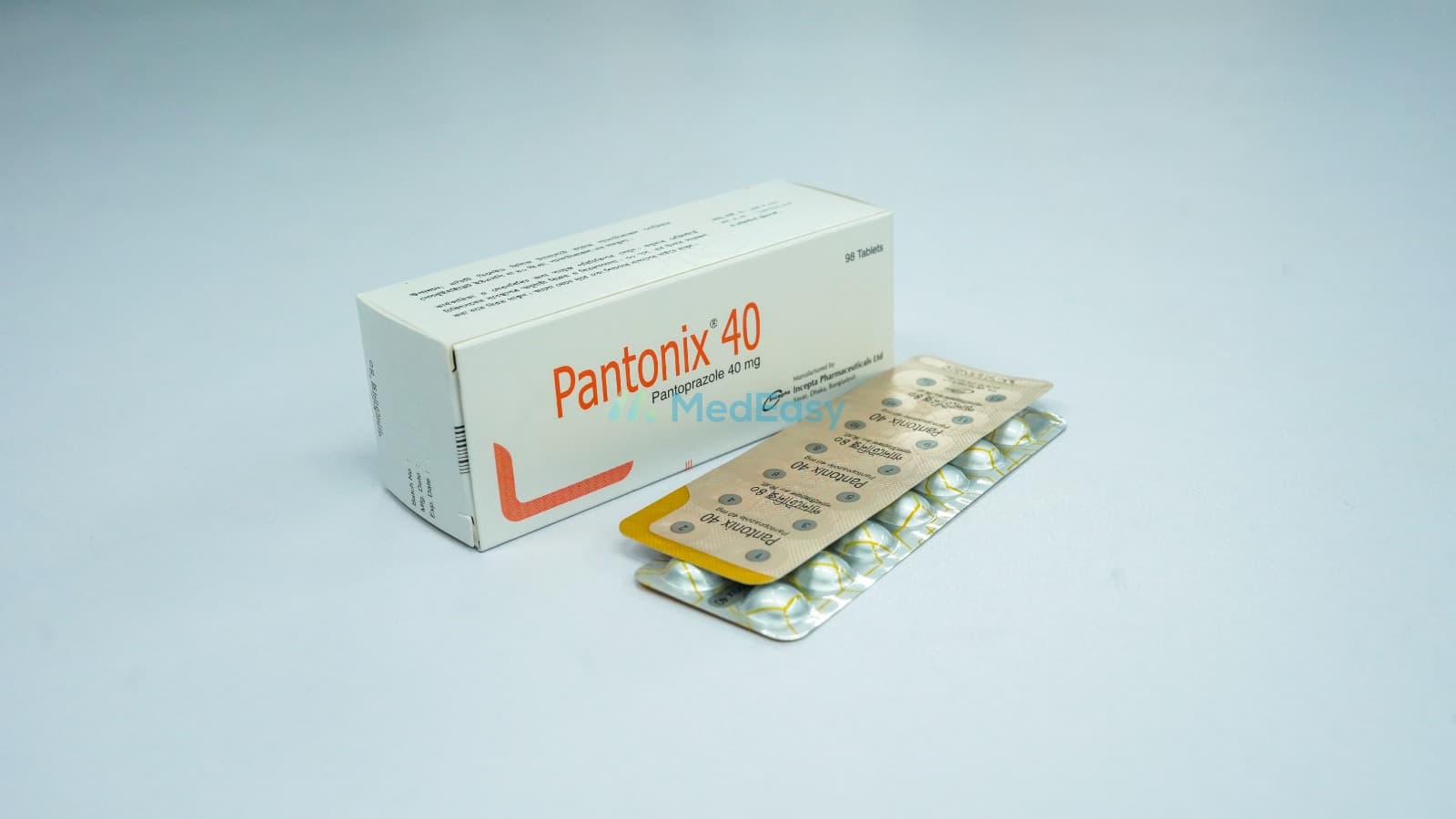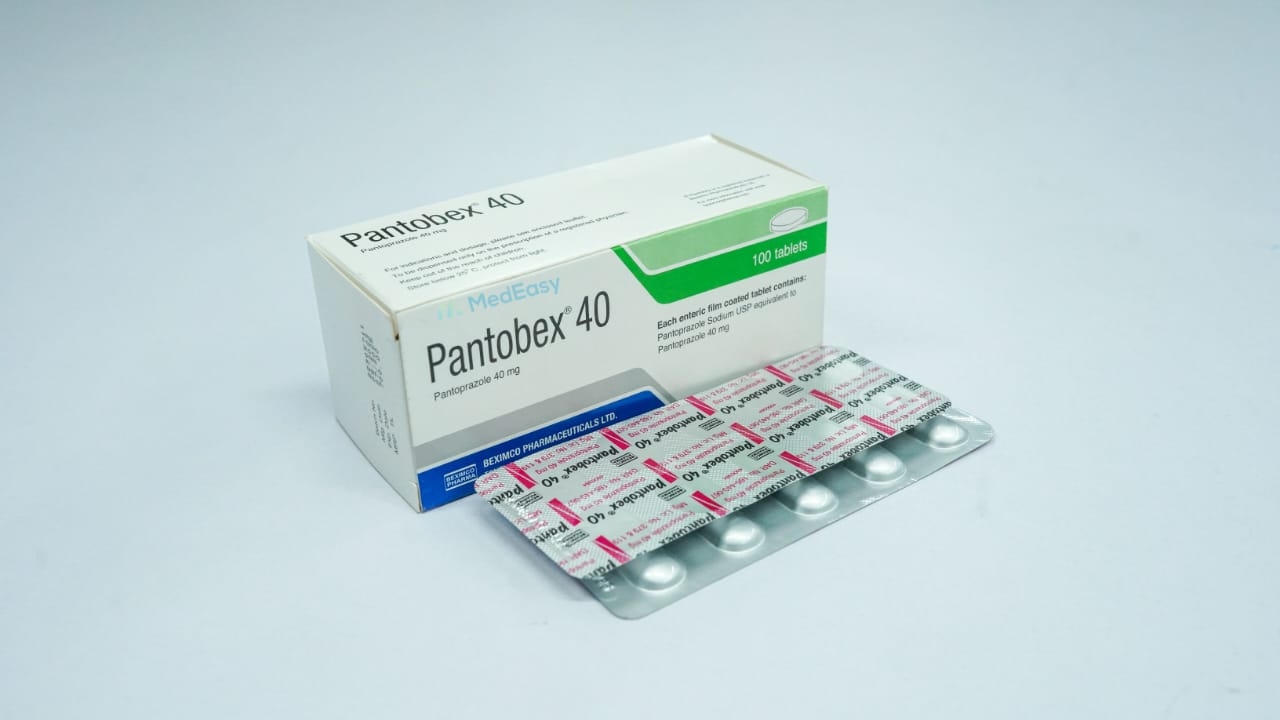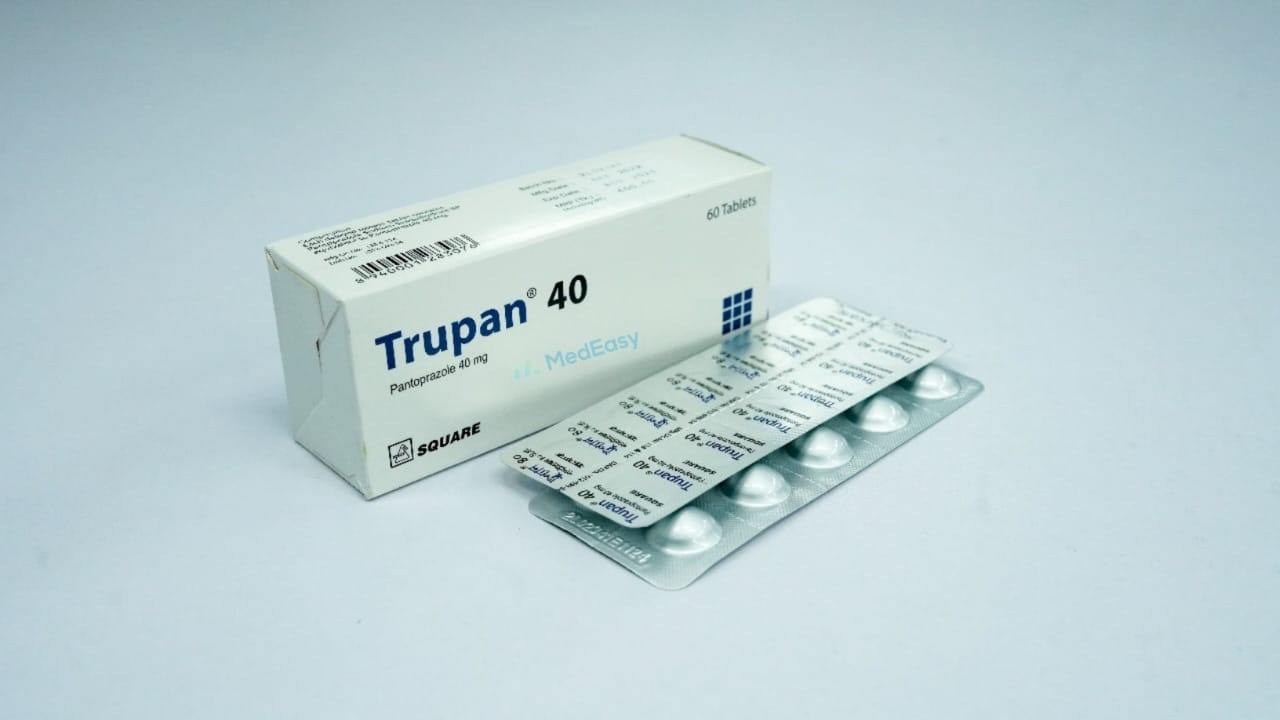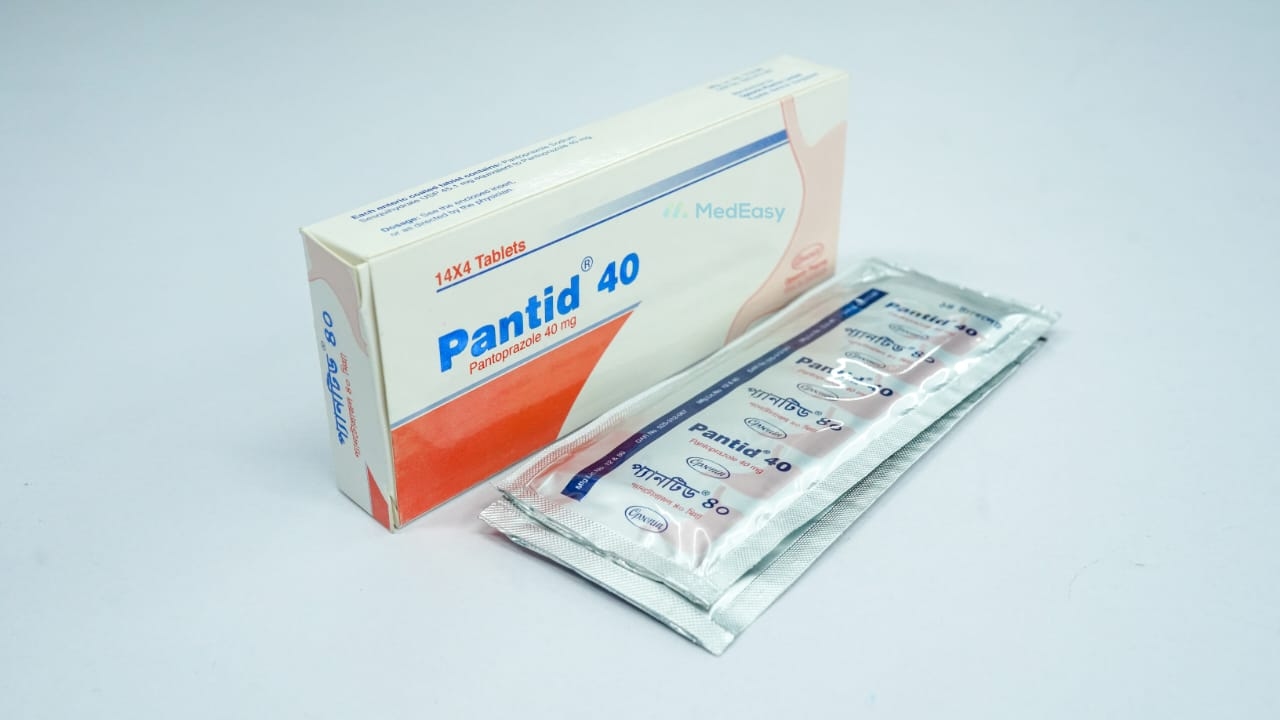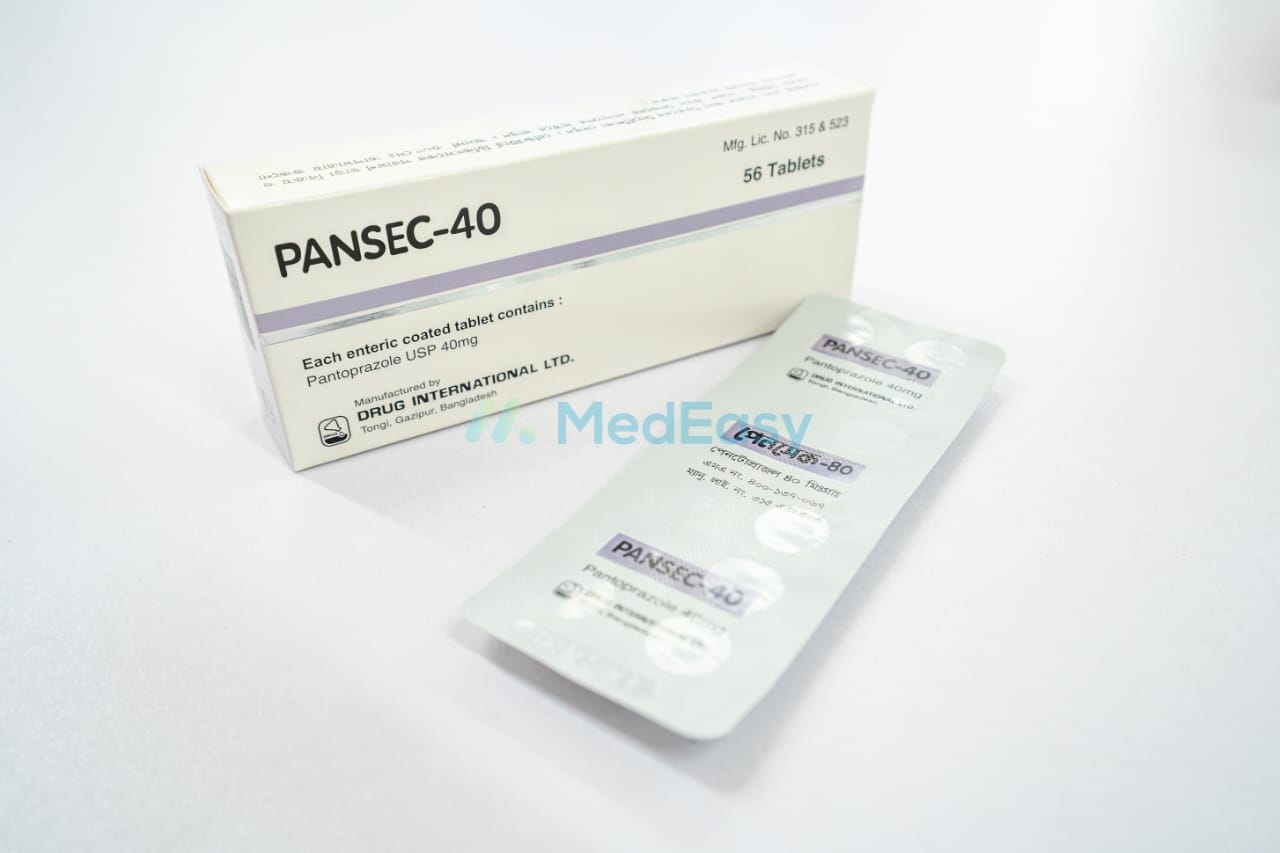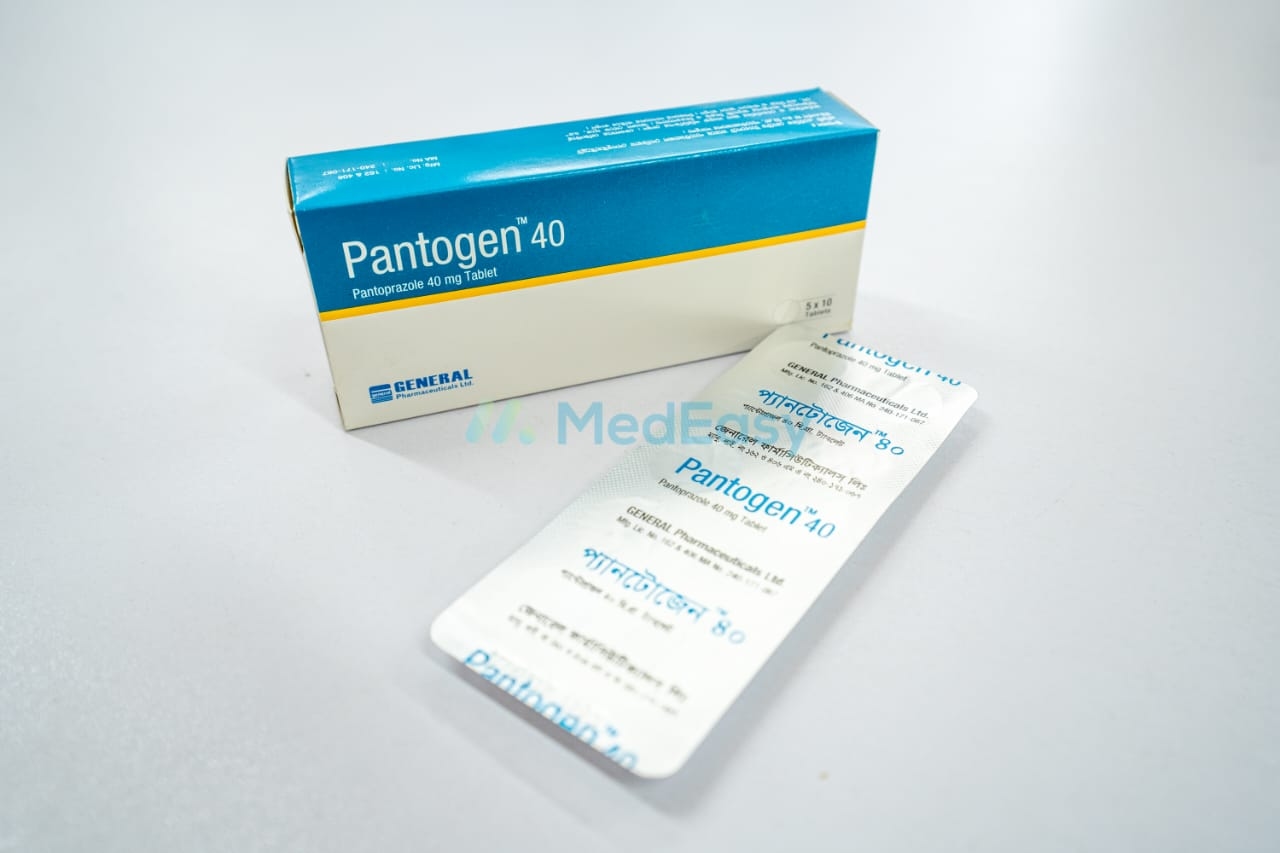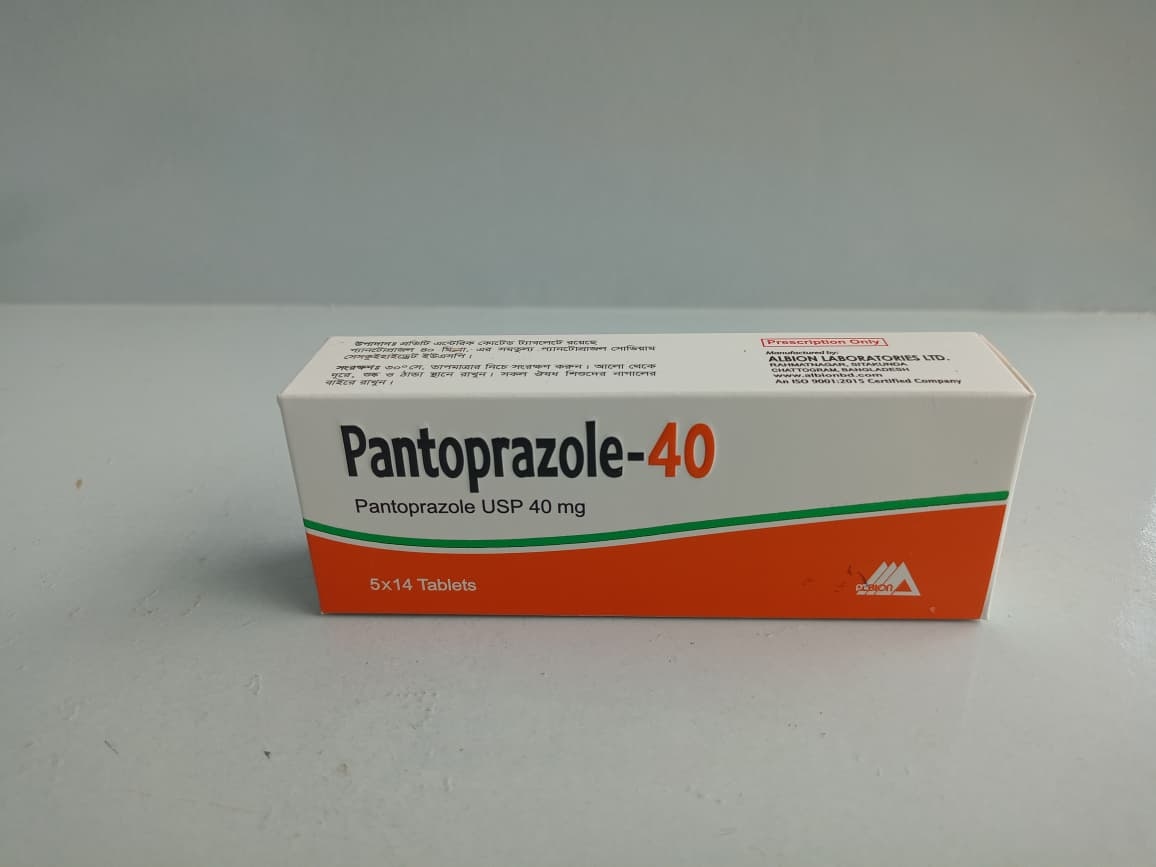
Product gallery
MRP 140.0010% Off
Best PriceTk 126.00/14's Strip
1
Section

Medicine overview

Indications of Pantonix 40 mg

Pantonix 40 mg Sodium is a proton pump inhibitor (PPI) indicated for all conditions where suppression of gastric acid secretion provides therapeutic benefit. It is available in oral (enteric-coated tablet) and intravenous (IV) formulations, allowing flexible use across outpatient and hospital settings.

Approved Indications

  • Gastroesophageal Reflux Disease (GERD) — Relieves heartburn, regurgitation, and acid-related discomfort caused by stomach acid refluxing into the esophagus. Also indicated for the treatment and maintenance of erosive esophagitis associated with GERD.
  • Peptic Ulcer Disease — Treats both benign gastric (stomach) ulcers and duodenal ulcers by reducing acid production, allowing the ulcer to heal.
  • NSAID-Induced Ulcers — Prevents and treats gastric or duodenal ulcers caused by long-term use of non-steroidal anti-inflammatory drugs (NSAIDs) such as ibuprofen, naproxen, and diclofenac.
  • Eradication of Helicobacter pylori — Used in combination with antibiotics (e.g., amoxicillin and clarithromycin, or clarithromycin and metronidazole) to eradicate H. pylori infection, a key cause of recurrent peptic ulcers.
  • Zollinger-Ellison Syndrome (ZES) — Manages pathological gastric hypersecretion in patients with ZES, a rare condition where gastrin-secreting tumors (gastrinomas) cause excessive acid production.
  • Prevention of Acid Aspiration (IV) — Used perioperatively to prevent acid aspiration during anaesthesia (Mendelson's syndrome).
  • Prevention of Rebleeding in Peptic Ulcer (IV) — High-dose IV Pantonix 40 mg is used post-endoscopy to prevent rebleeding from peptic ulcers.

Important: Pantonix 40 mg should be taken only as prescribed by a registered physician. Long-term use without medical supervision may mask symptoms of serious underlying conditions.

Theropeutic Class

Proton Pump Blocker.

Pharmacology

Mechanism of Action

Pantonix 40 mg is a proton pump inhibitor (PPI) that suppresses the final step in gastric acid production. After absorption and activation in the acidic environment of the gastric parietal cell canaliculi, Pantonix 40 mg covalently and irreversibly binds to the H⁺/K⁺-ATPase enzyme system (the proton pump) on the secretory surface of the gastric parietal cell.

This binding inhibits both basal (resting) and stimulated gastric acid secretion, regardless of the stimulus — whether histamine, gastrin, or acetylcholine. Because Pantonix 40 mg binds irreversibly to the proton pump, its acid-suppressing effect persists for longer than 24 hours, outlasting the drug's plasma half-life. Acid secretion does not resume until new proton pump molecules are synthesized by the parietal cell.

Pantonix 40 mg demonstrates a higher degree of selectivity for the proton pump at the pH levels found in the parietal cell canaliculi compared to other tissues, contributing to its favorable safety profile.

Pharmacokinetic Profile

PK Parameter Details
Absorption Rapidly absorbed after oral administration. Enteric coating protects the tablet from premature dissolution in the stomach. Absolute bioavailability is approximately 77%. Food does not significantly affect the AUC or Cmax.
Distribution Volume of distribution ~11–23 L. Plasma protein binding approximately 98% (primarily to albumin).
Metabolism Extensively metabolized in the liver, primarily by CYP2C19, with minor contributions from CYP3A4, CYP2D6, and CYP2C9. Does not have a significant first-pass effect via CYP2C19 compared to omeprazole.
Elimination Half-Life Approximately 1 hour in normal metabolizers. Despite the short plasma half-life, the antisecretory effect persists for >24 hours due to irreversible enzyme binding.
Excretion Approximately 71% excreted as metabolites in urine; ~18% excreted in feces. Not readily dialyzable due to high protein binding.

Therapeutic Classification

Pantonix 40 mg belongs to the class of Proton Pump Inhibitors (PPIs). It is chemically a substituted benzimidazole and is classified among the most effective and widely used acid-suppressive agents in clinical medicine. Compared to first-generation PPIs (omeprazole), Pantonix 40 mg offers a more selective binding profile and fewer CYP2C19-dependent drug interactions.

Dosage & Administration of Pantonix 40 mg

Oral: Benign gastric ulcer: 40 mg daily in the morning for 4 weeks, continued for further 4 weeks, if not fully healed. Gastro-esophageal reflux disease: 20-40 mg daily in the morning for 4 weeks, continued for further 4 weeks, if not fully healed; maintenance dose is 20 mg daily, which may be increased to 40 mg daily. Duodenal ulcer: 40 mg daily in the morning for 2 weeks, continued for further 2 weeks if not fully healed. Duodenal ulcer associated with Helicobacter pylori: Pantonix 40 mg is recommended at a dose of 40 mg twice daily in association with antimicrobial agents as detailed below: Amoxycillin 1 g and Clarithromycin 500 mg both twice daily for one week, or Clarithromycin 250 mg and Metronidazole 400 mg both twice daily for one week. Prophylaxis of NSAID-associated gastric or duodenal ulcer: 20 mg daily for those require long-term NSAID treatment. Zollinger-Ellison Syndrome: Initially 80 mg once daily adjusted according to response (elderly max. 40 mg daily); daily doses above 80 mg given in 2 divided doses. IV Injection: Duodenal ulcer and gastric ulcer: 40 mg once daily for 7-10 days Gastroesophageal reflux disease associated with a history of erosive esophagitis: 40 mg once daily for 7-10 days Prevention of rebleeding in peptic ulcer: IV 80 mg, followed by 8 mg/hour infusion for 72 hours Prophylaxis of acid aspiration: 80 mg IV every 12 h for 24 h, followed by 40mg every 12 hour Long-term management of Zollinger-Ellison Syndrome and other pathological hypersecretory conditions: 80 mg IV every 12 hours, may increase to 80 mg every 8 hours if needed, may titrate to higher doses depending on acid output.

Dosage of Pantonix 40 mg

Pantonix 40 mg is available as enteric-coated oral tablets (20 mg and 40 mg) and as an IV injection/infusion (40 mg/vial). The dose and duration depend on the indication and route of administration. Oral tablets should be taken approximately 30 minutes before a meal (preferably in the morning), swallowed whole with water.

Oral Dosage by Indication (Adults)

Indication Dose Duration
Benign gastric ulcer 40 mg once daily (morning) 4 weeks; may extend for further 4 weeks if not fully healed
Duodenal ulcer 40 mg once daily (morning) 2 weeks; may extend for further 2 weeks if not fully healed
GERD (treatment) 20–40 mg once daily (morning) 4 weeks; may extend for further 4 weeks if needed
GERD (maintenance) 20 mg once daily; may increase to 40 mg if needed Long-term as prescribed
Duodenal ulcer + H. pylori eradication 40 mg twice daily + antibiotics (see note below) 1 week (triple therapy)
NSAID-associated ulcer prophylaxis 20 mg once daily Duration of NSAID treatment
Zollinger-Ellison Syndrome Start 80 mg once daily; adjust to response. Doses >80 mg given in 2 divided doses. Max 240 mg/day. Long-term; dose adjusted per acid output

H. pylori Eradication Regimens (1 week — combined with Pantonix 40 mg 40 mg twice daily):

  • Regimen 1: Amoxicillin 1 g + Clarithromycin 500 mg — both twice daily for 1 week
  • Regimen 2: Clarithromycin 250 mg + Metronidazole 400 mg — both twice daily for 1 week

IV Dosage by Indication (Adults)

Indication Dose Duration
Peptic ulcer / GERD with erosive esophagitis 40 mg once daily (infusion over 15 min) 7–10 days; switch to oral when able to swallow
Prevention of rebleeding in peptic ulcer 80 mg loading dose, then 8 mg/hour continuous infusion 72 hours post-endoscopy
Prophylaxis of acid aspiration 80 mg every 12 hours for 24 h, then 40 mg every 12 hours As clinically required
Zollinger-Ellison Syndrome (IV) 80 mg every 12 hours; may increase to 80 mg every 8 hours based on acid output Long-term management; titrate to response

Note for elderly patients: No dose adjustment is generally required in elderly patients. However, the maximum recommended oral dose in elderly patients with Zollinger-Ellison Syndrome is 40 mg/day.

Administration of Pantonix 40 mg

Oral Tablets

  • Take Pantonix 40 mg tablets approximately 30 minutes before a meal, preferably in the morning.
  • Swallow the tablet whole with a glass of water. Do not split, crush, or chew the tablet — the enteric coating is essential to protect the drug from stomach acid and ensure proper release in the intestine.
  • Food does not significantly affect overall absorption, but taking it before meals optimizes its acid-suppressing effect at meal times.
  • If a dose is missed, take it as soon as remembered. If the next dose is due soon, skip the missed dose — do not double up.

IV Injection (Slow IV Bolus)

  • For IV use only — not for intramuscular or subcutaneous administration.
  • Reconstitute the lyophilized powder by adding 10 mL of 0.9% Sodium Chloride Injection to the vial. Swirl gently until dissolved.
  • Administer as a slow IV injection over at least 2–5 minutes.
  • Use only freshly prepared solution. The reconstituted solution may be stored at room temperature (up to 30°C) for a maximum of 4 hours.

IV Infusion

  • Reconstitute with 10 mL of 0.9% Sodium Chloride Injection, then further dilute with one of the following to a final volume of 100 mL:
    • 0.9% Sodium Chloride Injection, or
    • 5% Dextrose Injection, or
    • Lactated Ringer's Injection
  • Administer the infusion over approximately 15 minutes.
  • The reconstituted vial solution may be stored at room temperature (up to 30°C) for a maximum of 4 hours before further dilution.
  • The final admixed solution must be used within 24 hours from the time of initial reconstitution.
  • Inspect visually for particulate matter and discoloration before administration. Discard if either is present.
  • Do not mix Pantonix 40 mg IV with other medications in the same infusion bag or line.

Interaction of Pantonix 40 mg

Pantonix 40 mg has a relatively low potential for pharmacokinetic drug interactions compared to other PPIs. However, clinically significant interactions exist and should be carefully managed.

Clinically Significant Drug Interactions

Interacting Drug / Class Effect Recommendation
Atazanavir / Nelfinavir (HIV antiretrovirals) Pantonix 40 mg substantially reduces plasma concentrations of these antiretrovirals, leading to loss of therapeutic effect and risk of drug resistance Contraindicated. Do not co-administer. Use alternative acid-suppressing therapy if needed.
Warfarin / Anticoagulants Increased INR and prothrombin time; risk of abnormal bleeding and potentially death (postmarketing reports) Monitor INR/PT closely during concomitant use; adjust warfarin dose as needed
Methotrexate (high-dose) PPIs including Pantonix 40 mg may elevate and prolong serum methotrexate levels, increasing risk of methotrexate toxicity Consider temporary withdrawal of Pantonix 40 mg before high-dose methotrexate administration
pH-dependent drugs (ketoconazole, itraconazole, iron salts, ampicillin esters, erlotinib, mycophenolate mofetil) Pantonix 40 mg raises gastric pH, reducing absorption of drugs that require an acidic environment for solubility Monitor therapeutic response; consider alternative agents or timing adjustments
Clopidogrel Pantonix 40 mg may modestly reduce exposure to the active metabolite of clopidogrel (~14% reduction in AUC). Clinical significance unclear. No routine dose adjustment required; co-administration considered acceptable per current guidelines
Urine THC screening tests Pantonix 40 mg may cause false-positive urine screens for tetrahydrocannabinol (THC) Confirm positive results using an alternative analytical method (e.g., GC-MS)

Drugs with No Clinically Relevant Interaction

Based on clinical studies, Pantonix 40 mg does not significantly affect the pharmacokinetics of the following drugs and no dose adjustment is necessary: theophylline, diazepam, phenytoin, warfarin (kinetics — though pharmacodynamic monitoring required), metoprolol, nifedipine, carbamazepine, midazolam, clarithromycin, naproxen, piroxicam, oral contraceptives (levonorgestrel/ethinyl estradiol), digoxin, metronidazole, amoxicillin, and caffeine.

Drug–Food Interactions

Food does not clinically affect Pantonix 40 mg tablet absorption. However, the drug should ideally be taken 30 minutes before meals to maximize its effect at the time of peak acid stimulation.

Contraindications

Pantonix 40 mg is contraindicated in the following situations:

  • Known hypersensitivity to Pantonix 40 mg or any other component of the formulation (including the enteric coating excipients). Serious hypersensitivity reactions including anaphylaxis, angioedema, and severe dermatologic reactions have been reported.
  • Hypersensitivity to other Proton Pump Inhibitors (PPIs) — due to possible cross-reactivity within the substituted benzimidazole class (e.g., omeprazole, lansoprazole, esomeprazole, rabeprazole).
  • Concomitant use with atazanavir or nelfinavir — co-administration is contraindicated as Pantonix 40 mg significantly reduces plasma levels of these HIV antiretrovirals, leading to therapeutic failure and risk of drug resistance.
  • Rilpivirine-containing antiretroviral regimens — PPIs, including Pantonix 40 mg, are contraindicated with rilpivirine as increased gastric pH markedly reduces rilpivirine absorption.

Side Effects of Pantonix 40 mg

Pantonix 40 mg is well tolerated in both short-term and long-term treatment. Most side effects are mild and transient. However, serious adverse effects may occur with prolonged or high-dose use.

Common Side Effects

System Side Effects
Gastrointestinal Diarrhea, nausea, vomiting, abdominal pain, flatulence, constipation
Central Nervous System Headache, dizziness, insomnia
Metabolic Hyperglycemia (elevated blood sugar, particularly with IV use)
Skin Rash, urticaria, pruritus

Serious / Long-Term Side Effects

  • Hypomagnesemia (low magnesium) — May occur with prolonged PPI use (generally >1 year). Can cause tetany, seizures, and cardiac arrhythmias. In some cases, PPI discontinuation was required as magnesium supplementation alone was insufficient. Monitor magnesium levels before and periodically during long-term therapy.
  • Bone fractures — Published observational studies suggest PPI therapy (especially high-dose or >1 year duration) is associated with increased risk of osteoporosis-related hip, wrist, or spine fractures, particularly in elderly patients and those with kidney disease.
  • Vitamin B12 deficiency (cyanocobalamin malabsorption) — Long-term PPI therapy may impair absorption of Vitamin B12 from food. This risk increases with duration of use. Monitoring may be warranted in long-term users.
  • Clostridioides difficile-associated diarrhea (CDAD) — PPI therapy, including Pantonix 40 mg, may be associated with increased risk of C. difficile infection, particularly in hospitalized patients. Consider this diagnosis in patients with persistent, unexplained diarrhea.
  • Severe skin reactions — Rare but serious events including erythema multiforme, Stevens-Johnson syndrome, toxic epidermal necrolysis, and DRESS (Drug Reaction with Eosinophilia and Systemic Symptoms) have been reported.
  • Acute interstitial nephritis — Rare but reported with PPI use. Discontinue Pantonix 40 mg if suspected.
  • Thrombophlebitis (IV) — Infusion site reactions including thrombophlebitis have been associated with IV Pantonix 40 mg. Monitor the infusion site regularly.
  • Zinc deficiency (IV formulation) — IV Pantonix 40 mg contains EDTA, a chelating agent for zinc. Zinc supplementation should be considered in patients predisposed to zinc deficiency.
  • Fundic gland polyps — Associated with long-term PPI use, particularly beyond 1 year. Generally benign and reversible upon discontinuation.

Pregnancy & Lactation

Use During Pregnancy

Pantonix 40 mg is classified as FDA Pregnancy Category B. Animal reproductive studies have not demonstrated a risk to the fetus; however, there are no adequate and well-controlled studies in pregnant women. Animal reproduction studies are not always predictive of human response.

Pantonix 40 mg should be used during pregnancy only if clearly needed — when the potential benefit to the mother justifies the potential risk to the fetus. Pregnant women experiencing acid-related symptoms should discuss the risks and benefits with their healthcare provider before use. Lifestyle modifications and antacids may be considered as first-line approaches where possible.

Use During Breastfeeding

Pantonix 40 mg and its metabolites are excreted in human breast milk. The potential effect on a nursing infant is unknown. Since Pantonix 40 mg has demonstrated carcinogenic potential in long-term animal studies, a decision must be made whether to:

  • Discontinue breastfeeding, or
  • Discontinue Pantonix 40 mg therapy

This decision should be made in consultation with the healthcare provider, taking into account the importance of the drug to the mother and the potential risk to the infant. Breastfeeding women who require PPI therapy should seek medical guidance before proceeding.

Precautions & Warnings

Tablet Handling

Pantonix 40 mg enteric-coated tablets must not be split, crushed, or chewed. The enteric coating is critical to prevent premature degradation in stomach acid and ensure proper drug delivery in the small intestine where absorption occurs. Crushing the tablet destroys the enteric coat and significantly reduces efficacy.

Masking of Serious Gastric Conditions

Symptomatic response to Pantonix 40 mg does not rule out the presence of gastric malignancy, including gastric cancer. In patients with persistent symptoms, unexplained weight loss, early satiety, or dysphagia, further diagnostic investigation (including endoscopy) should be performed before or during treatment. Do not use Pantonix 40 mg as a long-term empirical therapy without appropriate investigation.

Long-Term Use: Vitamin B12 Deficiency

Prolonged use of Pantonix 40 mg (generally >3 years) may lead to malabsorption of cyanocobalamin (Vitamin B12), as adequate gastric acid is required for B12 release from food. This can result in B12 deficiency, particularly in patients with poor dietary intake or existing risk factors. Periodic monitoring of B12 levels is advisable in long-term users.

Long-Term Use: Bone Health

Long-term (especially >1 year) and high-dose PPI therapy may be associated with increased risk of osteoporosis-related fractures of the hip, wrist, and spine. Patients on long-term therapy — especially elderly patients, postmenopausal women, and those with pre-existing osteoporosis — should discuss bone health management with their physician. Adequate calcium and Vitamin D intake and bone density monitoring may be warranted.

Hypomagnesemia Monitoring

Consider measuring serum magnesium levels before initiating PPI therapy and periodically thereafter, especially in patients expected to be on Pantonix 40 mg long-term or in those already taking medications known to cause hypomagnesemia (e.g., digoxin or diuretics). Hypomagnesemia can present as muscle spasms, tremors, palpitations, or seizures.

C. difficile-Associated Diarrhea

PPI therapy including Pantonix 40 mg has been associated with increased risk of Clostridioides difficile-associated diarrhea (CDAD). Evaluate any patient on Pantonix 40 mg who develops persistent diarrhea for CDAD. If confirmed, discontinue Pantonix 40 mg and initiate appropriate treatment.

IV-Specific Precautions

  • Pantonix 40 mg IV contains EDTA (edetate disodium), a chelating agent that may worsen zinc deficiency. Zinc supplementation should be considered in at-risk patients (malnutrition, post-surgery, burns).
  • Monitor IV infusion sites for signs of thrombophlebitis. Remove catheter and rotate site if local inflammation occurs.
  • Switch to oral therapy as soon as the patient is able to swallow.

Use in Patients with Hepatic Impairment

Pantonix 40 mg is extensively metabolized by the liver. In patients with severe hepatic impairment, the maximum recommended dose is 20 mg once daily due to reduced metabolic clearance and the potential for drug accumulation. Monitor liver function tests in patients with hepatic disease on long-term therapy.

False-Positive Urine Tests

Pantonix 40 mg may cause false-positive results in urine screening tests for tetrahydrocannabinol (THC). Positive results should be confirmed by a more specific analytical method such as gas chromatography/mass spectrometry (GC-MS).

Overdose Effects of Pantonix 40 mg

Known Toxicity Profile

There are no known symptoms of overdosage in humans from Pantonix 40 mg alone at available clinical doses. Pantonix 40 mg has a wide therapeutic margin and exhibits a low acute toxicity profile. However, reports of overdose exist, particularly in the context of intentional ingestion.

In cases of very high doses or intentional overdose, the following general symptoms may theoretically occur, consistent with other PPIs:

  • Nausea, vomiting, abdominal discomfort
  • Headache, dizziness
  • Confusion or drowsiness (at very high doses)

Management of Overdose

  • There is no specific antidote for Pantonix 40 mg overdose.
  • Management is symptomatic and supportive. Vital signs should be monitored and general supportive measures initiated as required.
  • Since Pantonix 40 mg is highly protein-bound (~98%), it is not readily dialyzable — hemodialysis is not expected to be effective in enhancing elimination.
  • Gastric emptying (emesis or gastric lavage) may be considered if presentation is early and large ingestion is suspected, with appropriate airway protection.
  • Seek emergency medical care. Contact your national Poison Control Center for guidance.

Storage Conditions

  • Store in a cool, dry place, away from direct sunlight, heat, and moisture.
  • Keep below 30°C. Do not refrigerate or freeze oral tablets unless directed by the manufacturer.
  • Store in the original packaging to protect from light and humidity.
  • Keep out of reach of children and pets.
  • Do not use after the expiry date printed on the packaging.
  • The reconstituted IV solution should be stored at room temperature (≤30°C) and used within the stability windows described in the Reconstitution section.
  • Return unused or expired Pantonix 40 mg to a pharmacy for safe disposal — do not discard via household waste or wastewater.

Use In Special Populations

Pediatric Patients

Pantonix 40 mg is approved for use in children as young as 5 years of age for the short-term treatment of erosive esophagitis associated with GERD. Safety and efficacy in children below 5 years have not been established for most indications. Weight-based dosing is used in pediatric patients:

  • 15 kg to <40 kg: 20 mg once daily for up to 8 weeks
  • ≥40 kg: 40 mg once daily for up to 8 weeks

For pediatric patients who are known CYP2C19 poor metabolizers, dose reduction should be considered due to significantly higher drug exposure.

Elderly Patients (≥65 years)

No overall differences in safety or efficacy have been observed between elderly and younger patients. In clinical trials, the pharmacokinetics of Pantonix 40 mg in elderly patients (65–76 years) were similar to younger subjects after IV administration. No routine dose adjustment is required in elderly patients, except in patients with Zollinger-Ellison Syndrome where the maximum oral dose in the elderly is 40 mg/day.

Elderly patients on long-term PPI therapy should be monitored for fracture risk, Vitamin B12 deficiency, and hypomagnesemia, as they are at higher baseline risk for these complications.

Patients with Hepatic Impairment

Pantonix 40 mg AUC is significantly increased in patients with severe hepatic impairment (Child-Pugh Class C). The recommended maximum dose is 20 mg once daily. Liver function tests should be monitored during long-term use in these patients. Mild to moderate hepatic impairment typically does not require dose adjustment.

Patients with Renal Impairment

No dose adjustment is required in patients with renal impairment, including those on hemodialysis. Since Pantonix 40 mg is highly protein bound, it is not readily dialyzable.

CYP2C19 Poor Metabolizers

Approximately 3% of the Caucasian population and 15–20% of Asian populations are CYP2C19 poor metabolizers. In these individuals, Pantonix 40 mg AUC may be significantly higher than in extensive metabolizers. In pediatric patients who are known poor metabolizers, a dose reduction should be considered to avoid excessive drug exposure.

Reconstitution

Pantonix 40 mg IV is available as a lyophilized (freeze-dried) powder in a single-dose vial (40 mg). It must be reconstituted before administration. Use aseptic technique throughout preparation.

For IV Injection (Slow Bolus)

Step Action
Diluent Add 10 mL of 0.9% Sodium Chloride Injection to the vial containing lyophilized powder
Administration Inject slowly over a minimum of 2–5 minutes
Stability Use freshly prepared solution only. Reconstituted solution stable at room temperature (≤30°C) for a maximum of 4 hours

For IV Infusion

Step Action
Initial Reconstitution Add 10 mL of 0.9% Sodium Chloride Injection to the vial; mix gently
Further Dilution Further dilute with 0.9% Sodium Chloride, 5% Dextrose, or Lactated Ringer's Injection to a final volume of 100 mL
Infusion Rate Infuse over approximately 15 minutes
Reconstituted vial stability Stable at room temperature (≤30°C) for a maximum of 4 hours before further dilution
Admixed solution stability Must be used within 24 hours from the time of initial reconstitution; store at room temperature (≤30°C)

Important: Do not mix Pantonix 40 mg IV with other medications in the same syringe or infusion bag. Inspect the reconstituted and diluted solution for particulate matter or discoloration before use — discard if either is present.

Frequently Asked Questions

What is Pantonix 40 mg used for?

Pantonix 40 mg Sodium is a proton pump inhibitor (PPI) indicated for all conditions where suppression of gastric acid secretion provides therapeutic benefit. It is available in oral (enteric-coated tablet) and intravenous (IV) formulations, allowing flexible use across outpatient and hospital settings. Approved Indications Gastroesophageal Reflux Disease (GERD) — Relieves heartburn, regurgitation,…

What is the dosage of Pantonix 40 mg?

Pantonix 40 mg is available as enteric-coated oral tablets (20 mg and 40 mg) and as an IV injection/infusion (40 mg/vial). The dose and duration depend on the indication and route of administration. Oral tablets should be taken approximately 30 minutes before a meal (preferably in the morning), swallowed whole with water. Oral Dosage by Indication (Adults) Indication Dose Duration Benign gastric u…

What are the side effects of Pantonix 40 mg?

Pantonix 40 mg is well tolerated in both short-term and long-term treatment. Most side effects are mild and transient. However, serious adverse effects may occur with prolonged or high-dose use. Common Side Effects System Side Effects Gastrointestinal Diarrhea, nausea, vomiting, abdominal pain, flatulence, constipation Central Nervous System Headache, dizziness, insomnia Metabolic Hyperglycemia (e…

Who should not take Pantonix 40 mg?

Pantonix 40 mg is contraindicated in the following situations: Known hypersensitivity to Pantonix 40 mg or any other component of the formulation (including the enteric coating excipients). Serious hypersensitivity reactions including anaphylaxis, angioedema, and severe dermatologic reactions have been reported. Hypersensitivity to other Proton Pump Inhibitors (PPIs) — due to possible cross-reacti…

What precautions should be taken with Pantonix 40 mg?

Tablet Handling Pantonix 40 mg enteric-coated tablets must not be split, crushed, or chewed . The enteric coating is critical to prevent premature degradation in stomach acid and ensure proper drug delivery in the small intestine where absorption occurs. Crushing the tablet destroys the enteric coat and significantly reduces efficacy. Masking of Serious Gastric Conditions Symptomatic response to P…

Is Pantonix 40 mg safe during pregnancy and breastfeeding?

Use During Pregnancy Pantonix 40 mg is classified as FDA Pregnancy Category B . Animal reproductive studies have not demonstrated a risk to the fetus; however, there are no adequate and well-controlled studies in pregnant women . Animal reproduction studies are not always predictive of human response. Pantonix 40 mg should be used during pregnancy only if clearly needed — when the potential benefi…

Disclaimer

The information provided is accurate to our best practices, but it does not replace professional medical advice. We cannot guarantee its completeness or accuracy. The absence of specific information about a drug should not be seen as an endorsement. We are not responsible for any consequences resulting from this information, so consult a healthcare professional for any concerns or questions.