10% Off
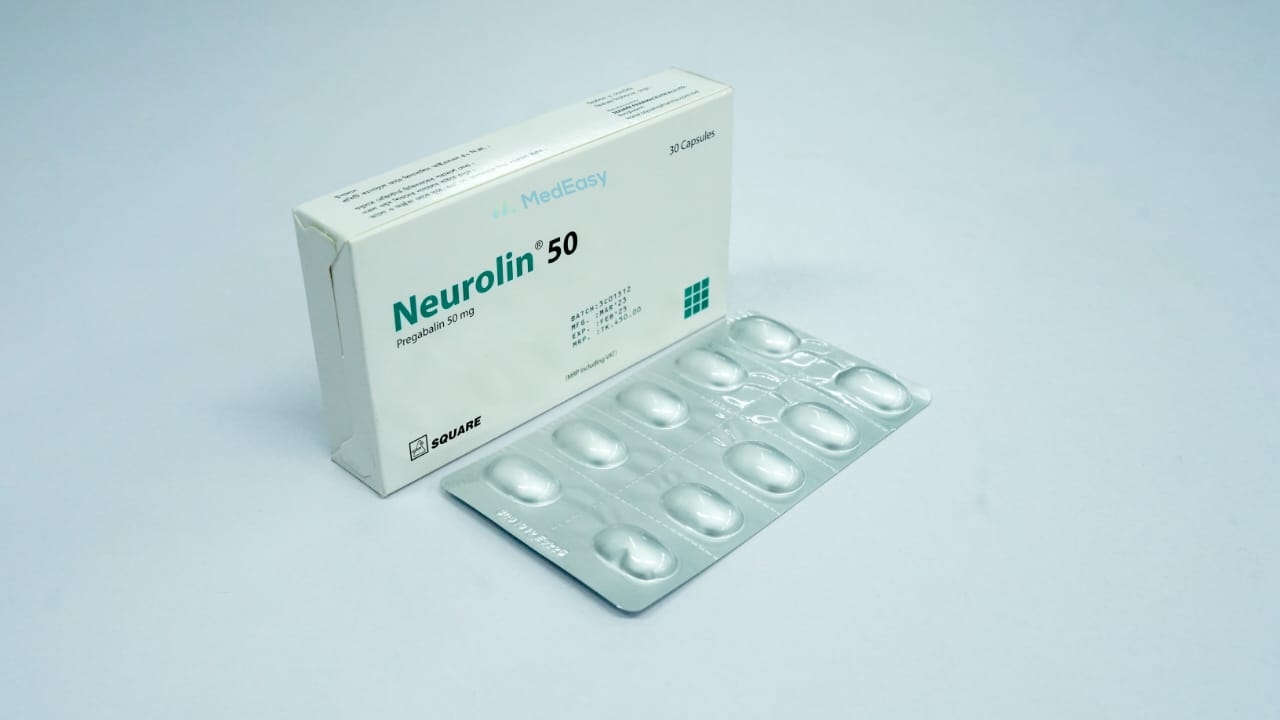
Neurolin50 mg
Square Pharmaceuticals PLC.
৳135.00
Add to cart
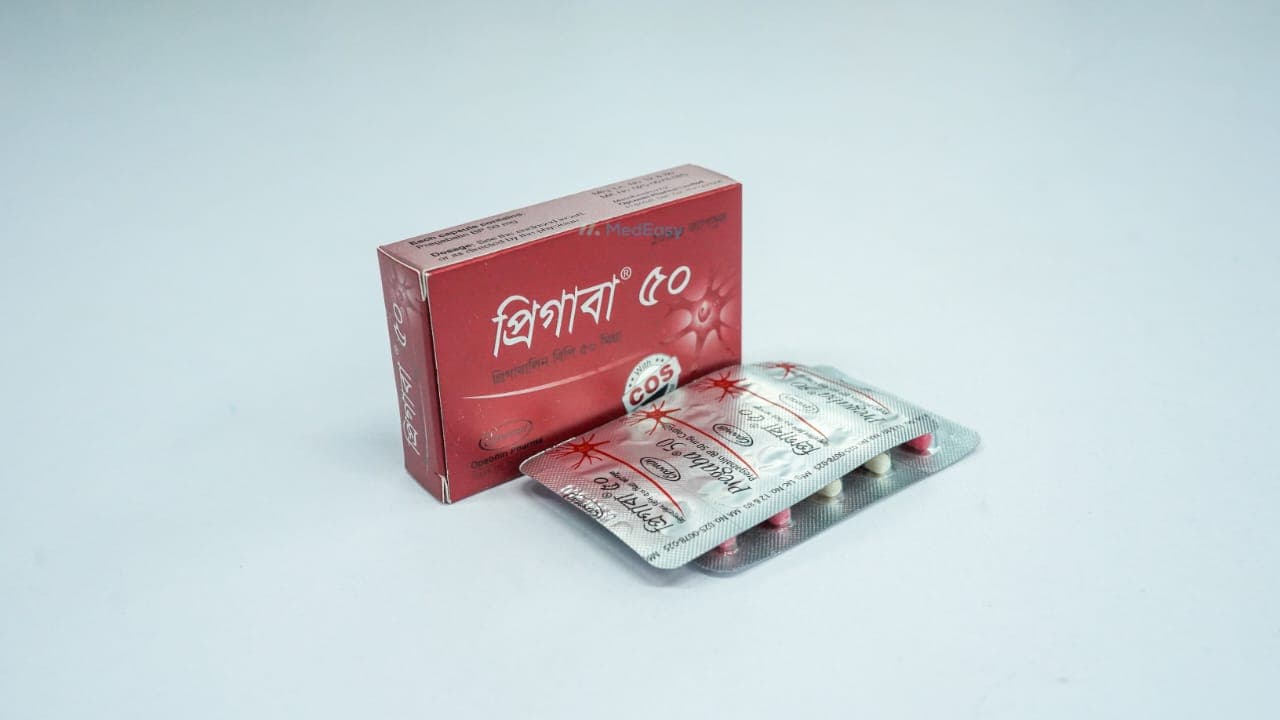

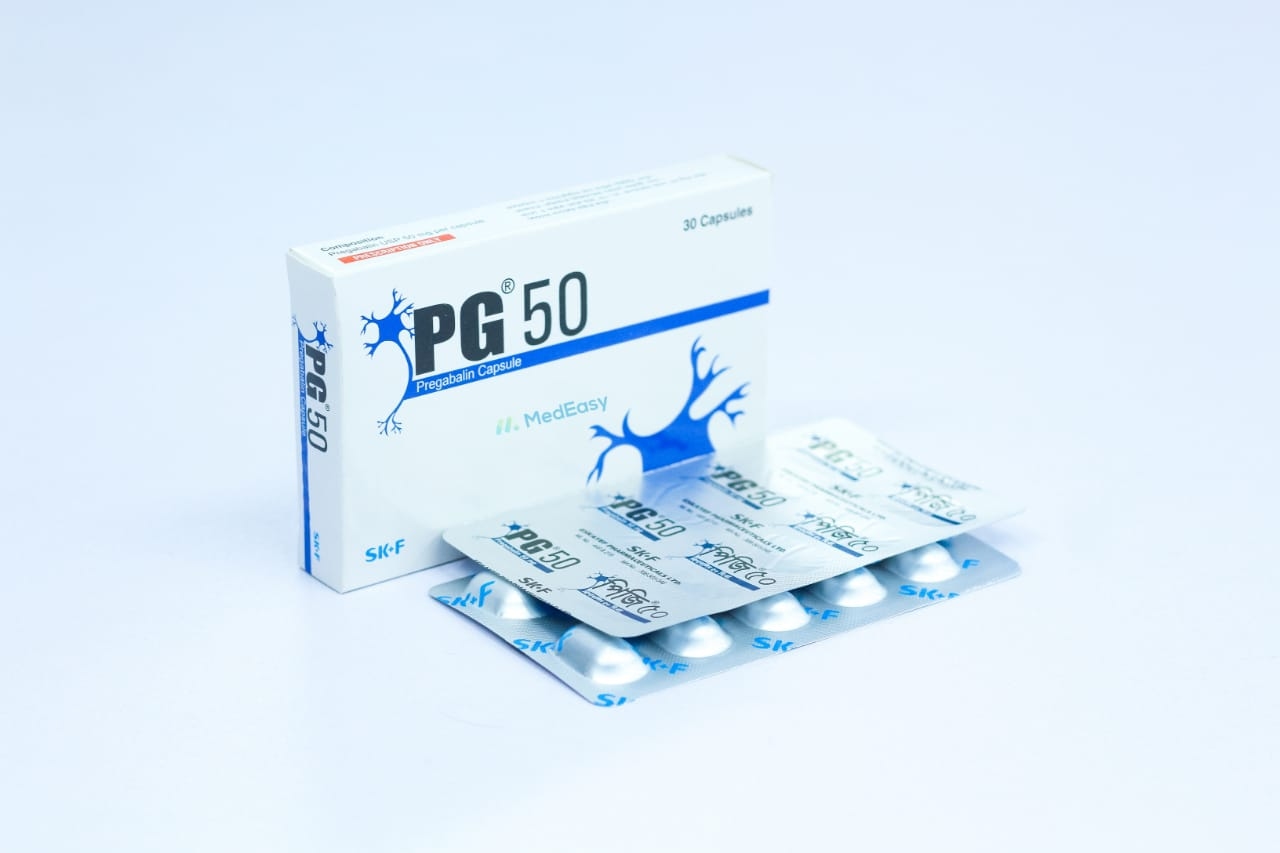
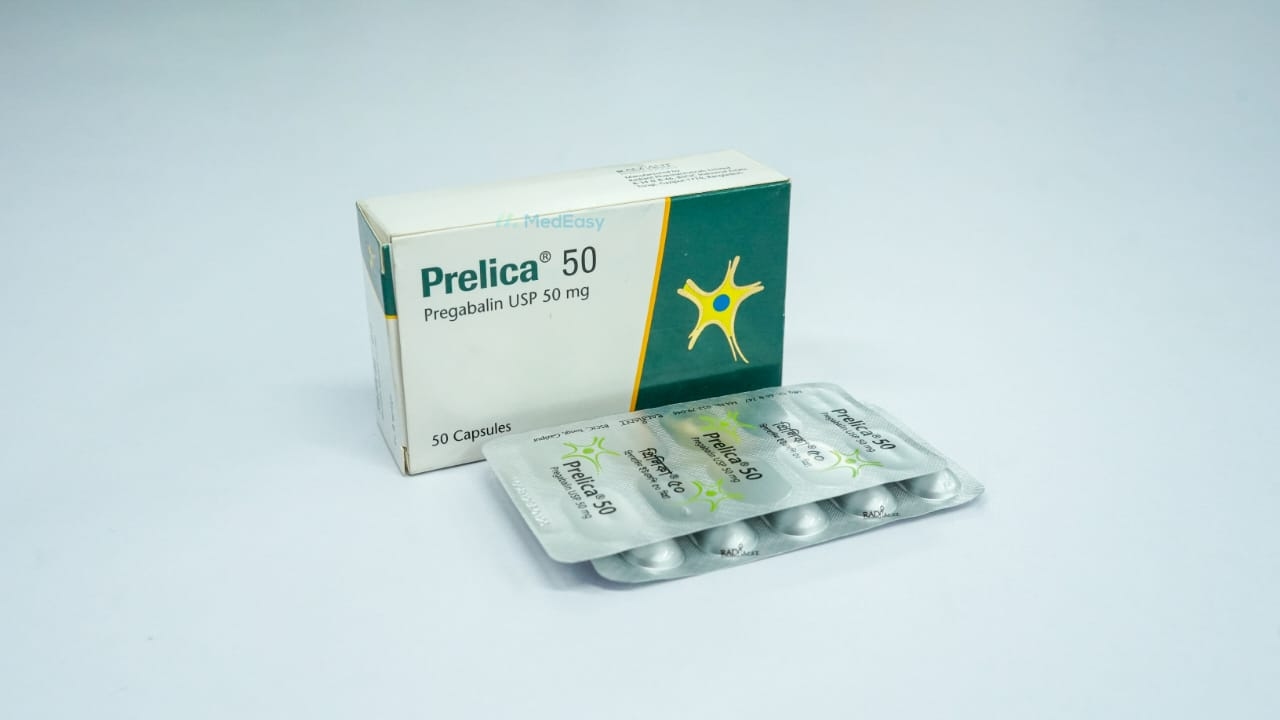
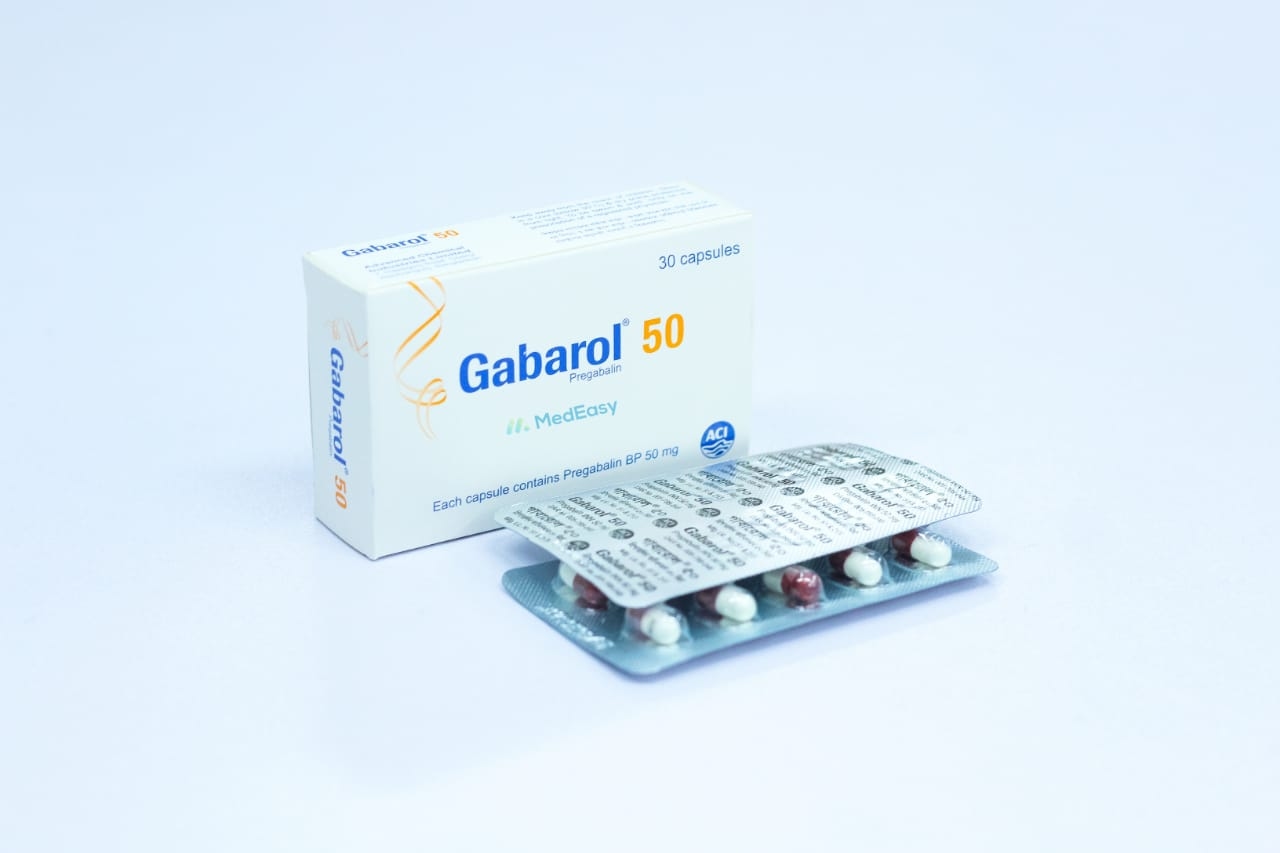
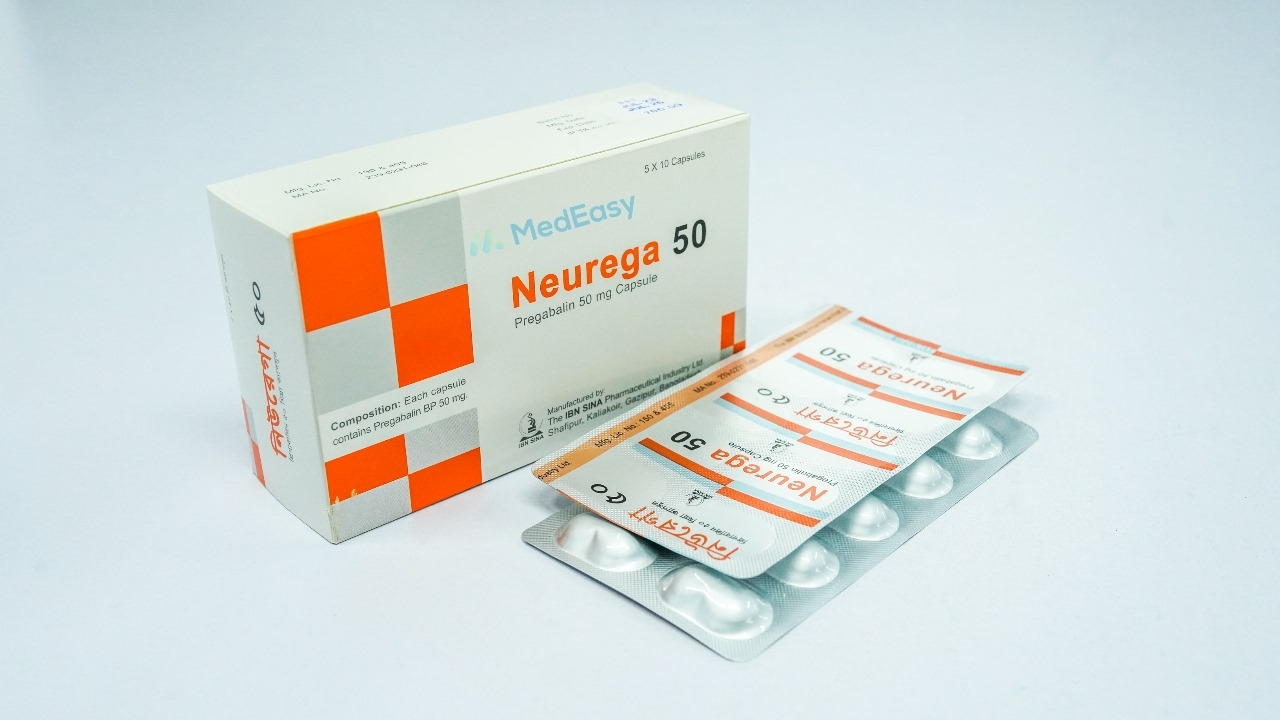
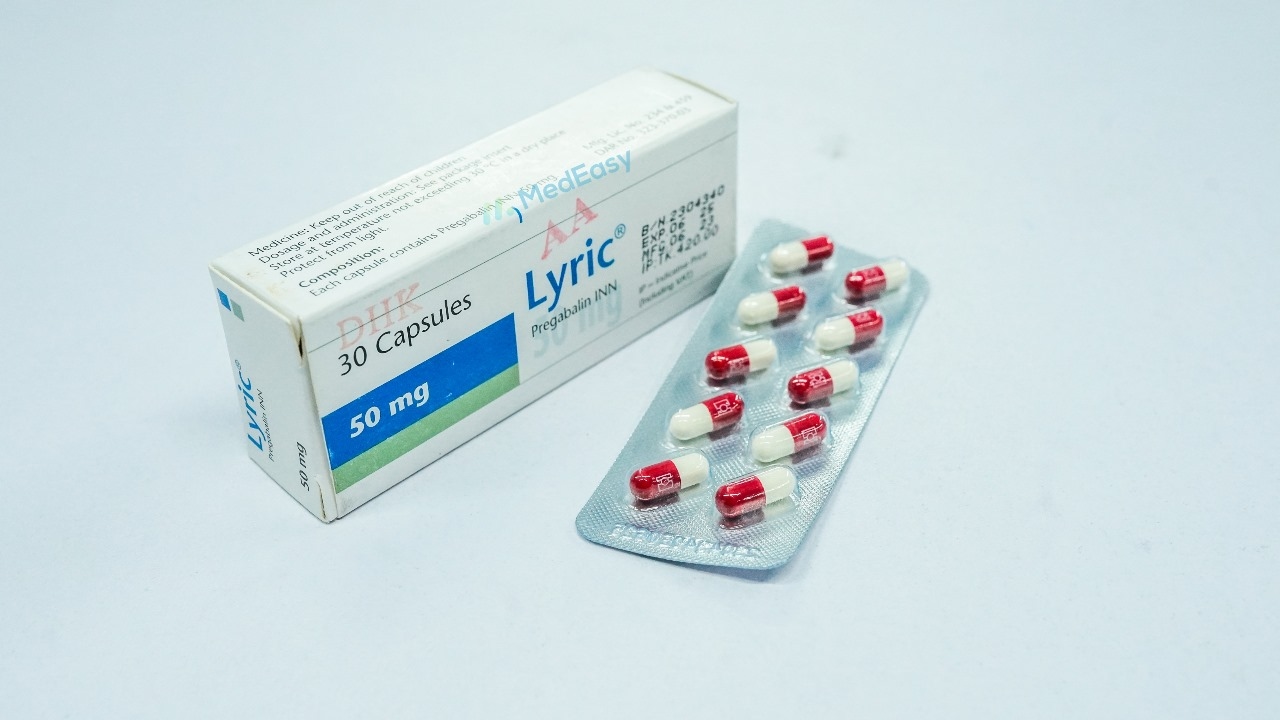
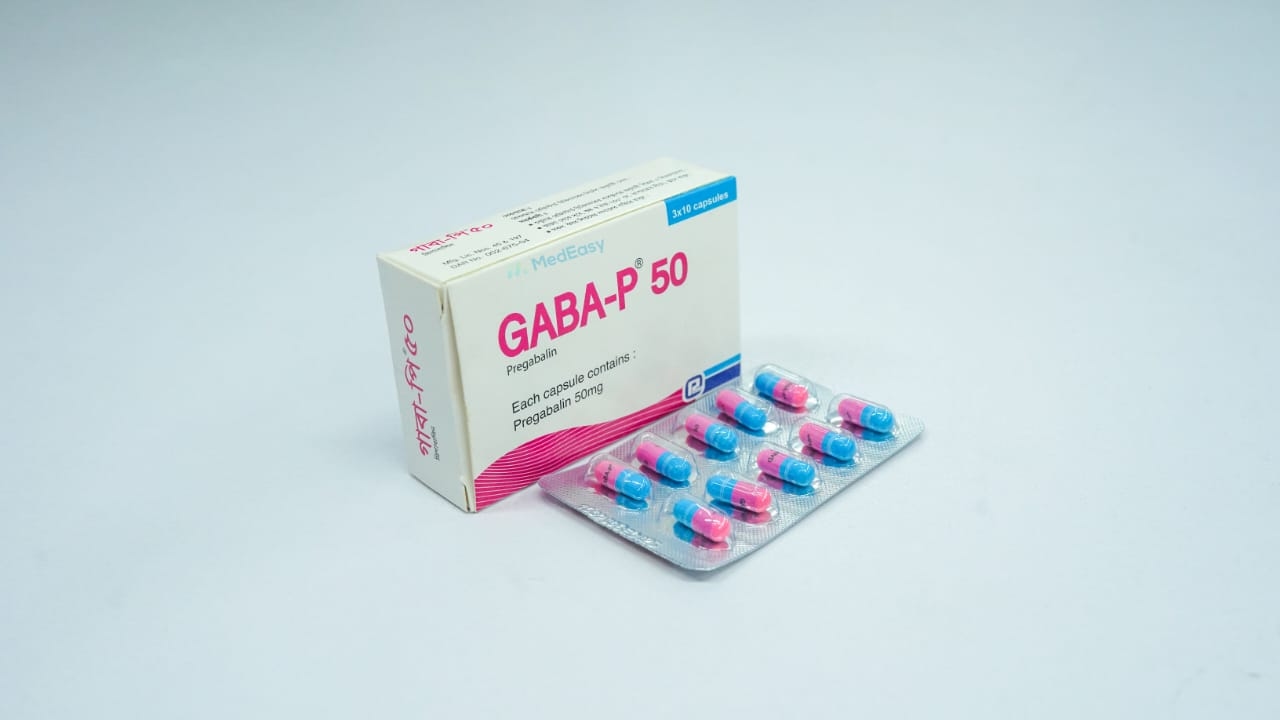
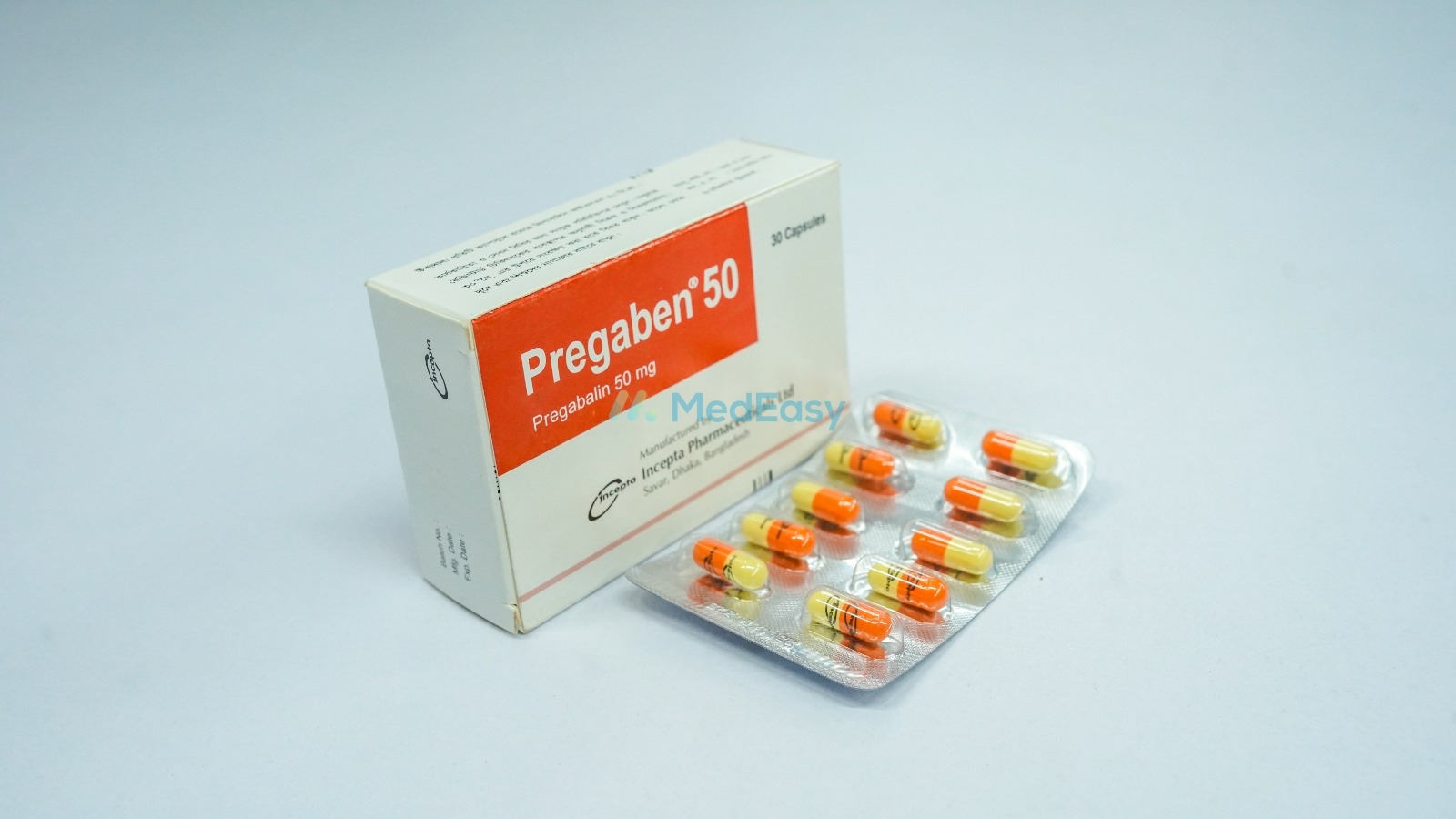
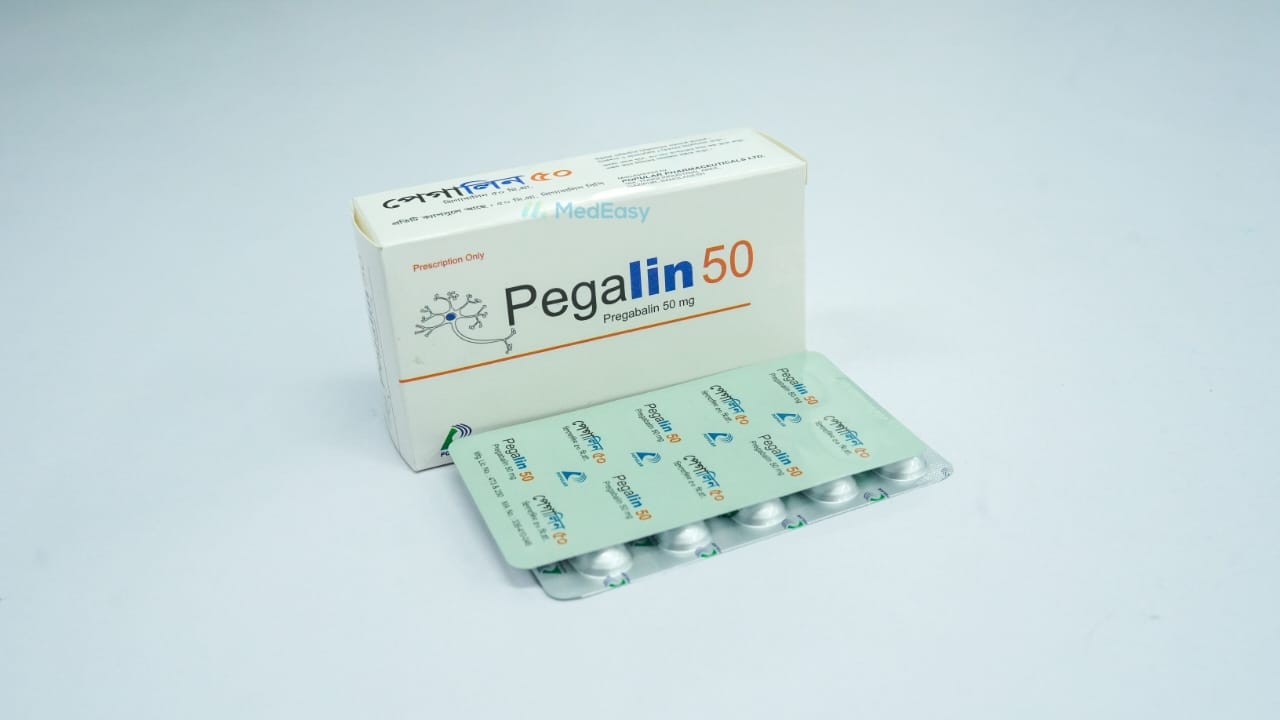
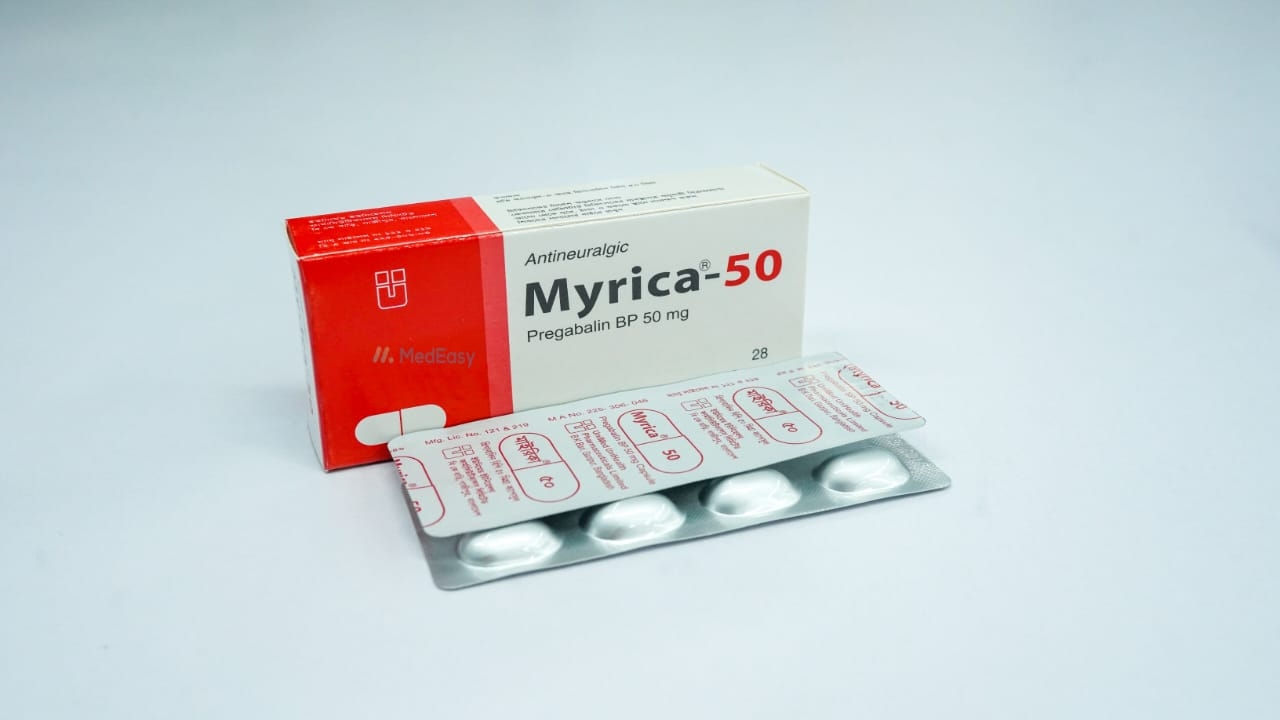
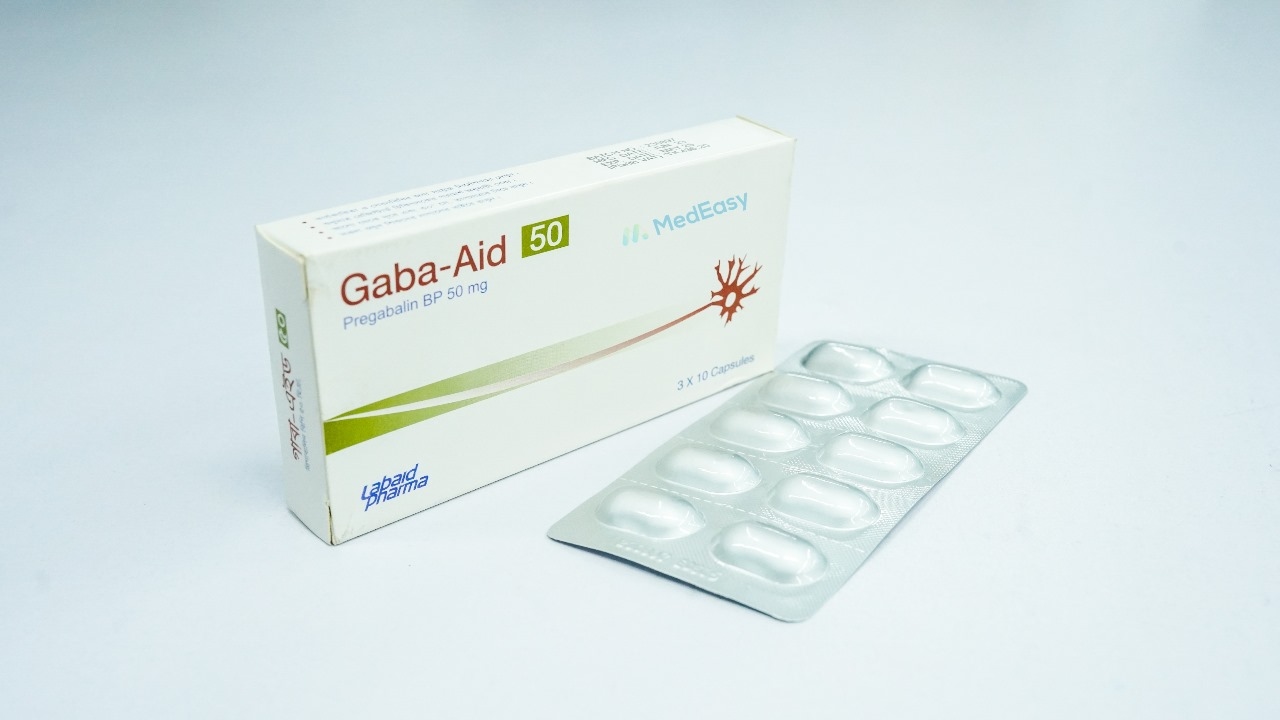
Pregaba 50 mg is an anticonvulsant and neuropathic pain agent used as a first-line treatment for several chronic pain conditions, seizure disorders, and musculoskeletal syndromes. It is available in two formulations — immediate-release (film-coated capsule/tablet) and controlled-release (CR) tablet — each with distinct approved indications.
The immediate-release formulation of Pregaba 50 mg is indicated for:
The controlled-release formulation of Pregaba 50 mg is indicated for:
Note: Pregaba 50 mg should only be taken as prescribed by a registered physician. Self-medication is strongly discouraged due to its potential for dependence and serious adverse effects.
Supplemental antiepileptic medications
Pregaba 50 mg is a structural analogue of the inhibitory neurotransmitter gamma-aminobutyric acid (GABA), but it does not exert its effects by directly binding to GABAA, GABAB, or benzodiazepine receptors. Instead, Pregaba 50 mg binds with high affinity to the alpha2-delta (α2-δ) subunit, an auxiliary protein of voltage-gated calcium channels, in central nervous system tissues.
By binding to the α2-δ subunit, Pregaba 50 mg reduces calcium influx into hyperexcited neurons, thereby decreasing the excessive release of excitatory neurotransmitters such as glutamate, norepinephrine, and substance P. This modulation of neurotransmitter release underlies its anti-nociceptive (pain-relieving) and antiseizure effects, although the precise mechanism has not been fully elucidated.
Pregaba 50 mg belongs to the class of adjunct and primary anti-epileptic drugs. It is also classified as a neuropathic pain agent and is a Schedule V controlled substance in the United States due to its potential for misuse and dependence.
Pregaba 50 mg dosing varies by indication, formulation (immediate-release vs. controlled-release), and patient renal function. All dosing recommendations below are for adults with a creatinine clearance of at least 60 mL/min unless otherwise noted. Always follow the prescribing physician's instructions.
When switching from immediate-release capsules to controlled-release tablets, take the morning dose of the immediate-release capsule as prescribed, then initiate the CR formulation after the evening meal on the same day. The following conversion table applies:
Pregaba 50 mg is administered orally. The immediate-release capsule or tablet may be taken with or without food. The controlled-release (CR) tablet must be taken after an evening meal and should be swallowed whole — it must not be split, crushed, or chewed, as this may affect the controlled-release mechanism and increase the risk of adverse effects.
Both the immediate-release and controlled-release formulations of Pregaba 50 mg should be gradually tapered over a minimum of 1 week when discontinuing treatment. Abrupt withdrawal may trigger increased seizure frequency, anxiety, insomnia, nausea, diarrhea, and sweating.
Pregaba 50 mg is unlikely to be involved in significant pharmacokinetic drug interactions, as it is not metabolized by liver enzymes and does not bind to plasma proteins. However, the following pharmacodynamic interactions warrant clinical attention:
No clinically significant drug–food interactions have been identified with the immediate-release formulation. The controlled-release formulation should be taken with food (evening meal) to optimize absorption and reduce gastrointestinal side effects.
Alcohol consumption during Pregaba 50 mg therapy may significantly increase sedation and dizziness. Patients are advised to avoid or strictly limit alcohol intake during treatment.
Pregaba 50 mg is contraindicated in the following situations:
Pregaba 50 mg should be used with extreme caution (and may be relatively contraindicated) in patients with severe renal impairment (creatinine clearance <15 mL/min), those on hemodialysis (dose adjustments are mandatory), and patients with a known history of drug abuse or dependence.
Pregaba 50 mg is generally well tolerated, but like all medications it may cause side effects. The frequency and severity are often dose-dependent.
There are no adequate and well-controlled studies evaluating the safety of Pregaba 50 mg in pregnant women. Animal studies have shown evidence of fetal toxicity at doses producing plasma levels similar to those achieved in humans. Pregnant women taking Pregaba 50 mg should be counseled about the potential risk to the fetus.
Pregaba 50 mg is classified as FDA Pregnancy Category C. It should be used during pregnancy only if the potential benefit clearly justifies the potential risk to the fetus. Women of childbearing potential who are prescribed Pregaba 50 mg should use effective contraception.
Small amounts of Pregaba 50 mg have been detected in the breast milk of lactating women. Due to the potential risk of tumorigenicity observed in animal studies, breastfeeding is not recommended during treatment with Pregaba 50 mg. Women who require Pregaba 50 mg therapy should consider alternative feeding options for their infants.
Angioedema involving the throat, head, and neck has been reported with Pregaba 50 mg and may cause life-threatening respiratory compromise. Pregaba 50 mg must be discontinued immediately if angioedema occurs. Patients with a prior history of angioedema to Pregaba 50 mg or related drugs (e.g., gabapentin) are at higher risk.
Serious hypersensitivity reactions, including hives, dyspnea, and wheezing, have been reported. Discontinue Pregaba 50 mg immediately if these symptoms develop.
Antiepileptic drugs, including Pregaba 50 mg, increase the risk of suicidal thoughts or behavior. Patients should be monitored for the emergence or worsening of depression, unusual changes in mood or behavior, or the appearance of suicidal thoughts. Caregivers and family members should be alerted to report any concerning changes to the prescribing physician immediately.
Pregaba 50 mg may cause significant respiratory depression, especially when co-administered with opioids, CNS depressants, or in patients with underlying respiratory disease. Monitor respiratory function and adjust dosages as clinically appropriate.
Pregaba 50 mg may cause dizziness and somnolence, impairing the ability to drive vehicles or operate heavy machinery. Patients should be advised not to engage in such activities until they understand how Pregaba 50 mg affects them.
Do not stop Pregaba 50 mg suddenly. Abrupt discontinuation may cause increased seizure frequency, anxiety, insomnia, nausea, hyperhidrosis, and diarrhea. Always taper Pregaba 50 mg over a minimum of 1 week under medical supervision.
Pregaba 50 mg may cause peripheral edema (swelling of the extremities). Caution is advised in patients with heart failure, as fluid retention may worsen their condition.
When co-administered with thiazolidinediones (e.g., pioglitazone), the risk of peripheral edema and weight gain is increased. Use this combination cautiously.
Since Pregaba 50 mg is primarily eliminated by the kidneys, dose adjustments are essential in patients with reduced renal function (creatinine clearance <60 mL/min). Patients on hemodialysis require a supplemental dose after each dialysis session.
In cases of Pregaba 50 mg overdose, the following clinical signs and symptoms have been reported:
There is no specific antidote for Pregaba 50 mg overdose. Management is primarily supportive:
The safety and effectiveness of Pregaba 50 mg in pediatric patients have not been established for the following conditions:
For adjunctive therapy for partial-onset seizures, Pregaba 50 mg (immediate-release) is approved for patients 1 month of age and older. Safety and effectiveness in patients below 1 month of age have not been established.
The safety and effectiveness of the controlled-release (CR) formulation have not been established in pediatric patients of any age.
Elderly patients are more likely to have reduced renal function, which may necessitate dose adjustment. They are also at increased risk of adverse effects such as dizziness, somnolence, and peripheral edema, which may increase the risk of falls. Careful monitoring and cautious dose titration are recommended.
Pregaba 50 mg clearance is directly proportional to creatinine clearance. Dose reduction is mandatory in patients with CrCl <60 mL/min. Patients on hemodialysis require supplemental dosing following each session. Consult the prescribing information for specific dose adjustment tables.
Since Pregaba 50 mg undergoes negligible hepatic metabolism, no dose adjustment is required for patients with hepatic impairment.
Adjunct anti-epileptic drugs, Primary anti-epileptic drugs
Gamma-aminobutyric acid, an inhibitory neurotransmitter, is the structural basis of the drug Pregaba 50 mg (GABA). It doesn't directly bind to benzodiazepine, GABAA, or GABAB receptors. In the tissues of the central nervous system, Pregaba 50 mg binds to the alpha2-delta site (an auxiliary subunit of voltage-gated calcium channels) with a high affinity. Pregaba 50 mg's mechanism of action is still unknown, although findings from animal research point to a potential role for binding to the alpha2-delta subunit in the drug's anti-nociceptive and anti-seizure properties.
Usage in children and adolescents: Safety and efficacy for the treatment of fibromyalgia, postherpetic neuralgia, neuropathic pain associated with spinal cord injury, and neuropathic pain associated with diabetic peripheral neuropathy in pediatric patients have not been proven. The safety and efficacy of supplementary therapy for partial onset seizures in pediatric children younger than one month of age have not been established. Pregaba 50 mg extended-release tablet safety and efficacy in pediatric patients have not been shown.
What is Pregaba 50 mg used for?
Pregaba 50 mg is an anticonvulsant and neuropathic pain agent used as a first-line treatment for several chronic pain conditions, seizure disorders, and musculoskeletal syndromes. It is available in two formulations — immediate-release (film-coated capsule/tablet) and controlled-release (CR) tablet — each with distinct approved indications. Indications for Immediate-Release (Film-Coated) Formulati…
What is the dosage of Pregaba 50 mg?
Pregaba 50 mg dosing varies by indication, formulation (immediate-release vs. controlled-release), and patient renal function. All dosing recommendations below are for adults with a creatinine clearance of at least 60 mL/min unless otherwise noted. Always follow the prescribing physician's instructions. 1. Neuropathic Pain Associated with Diabetic Peripheral Neuropathy (DPN) Immediate-release: Sta…
What are the side effects of Pregaba 50 mg?
Pregaba 50 mg is generally well tolerated, but like all medications it may cause side effects. The frequency and severity are often dose-dependent. Common Side Effects in Adults Dizziness — One of the most frequently reported side effects; risk increases with higher doses. Somnolence (drowsiness) — May impair the ability to drive or operate machinery. Dry mouth Peripheral edema — Swelling of hands…
Who should not take Pregaba 50 mg?
Pregaba 50 mg is contraindicated in the following situations: Known hypersensitivity to Pregaba 50 mg or any of its excipients. Hypersensitivity reactions may include angioedema, urticaria (hives), dyspnea, and wheezing, which can be life-threatening. Severe hypersensitivity reactions in prior use — Patients who have previously experienced angioedema with Pregaba 50 mg should never be re-challenge…
What precautions should be taken with Pregaba 50 mg?
Angioedema Angioedema involving the throat, head, and neck has been reported with Pregaba 50 mg and may cause life-threatening respiratory compromise. Pregaba 50 mg must be discontinued immediately if angioedema occurs. Patients with a prior history of angioedema to Pregaba 50 mg or related drugs (e.g., gabapentin) are at higher risk. Hypersensitivity Reactions Serious hypersensitivity reactions, …
Is Pregaba 50 mg safe during pregnancy and breastfeeding?
Use During Pregnancy There are no adequate and well-controlled studies evaluating the safety of Pregaba 50 mg in pregnant women. Animal studies have shown evidence of fetal toxicity at doses producing plasma levels similar to those achieved in humans. Pregnant women taking Pregaba 50 mg should be counseled about the potential risk to the fetus . Pregaba 50 mg is classified as FDA Pregnancy Categor…
The information provided is accurate to our best practices, but it does not replace professional medical advice. We cannot guarantee its completeness or accuracy. The absence of specific information about a drug should not be seen as an endorsement. We are not responsible for any consequences resulting from this information, so consult a healthcare professional for any concerns or questions.