10% Off
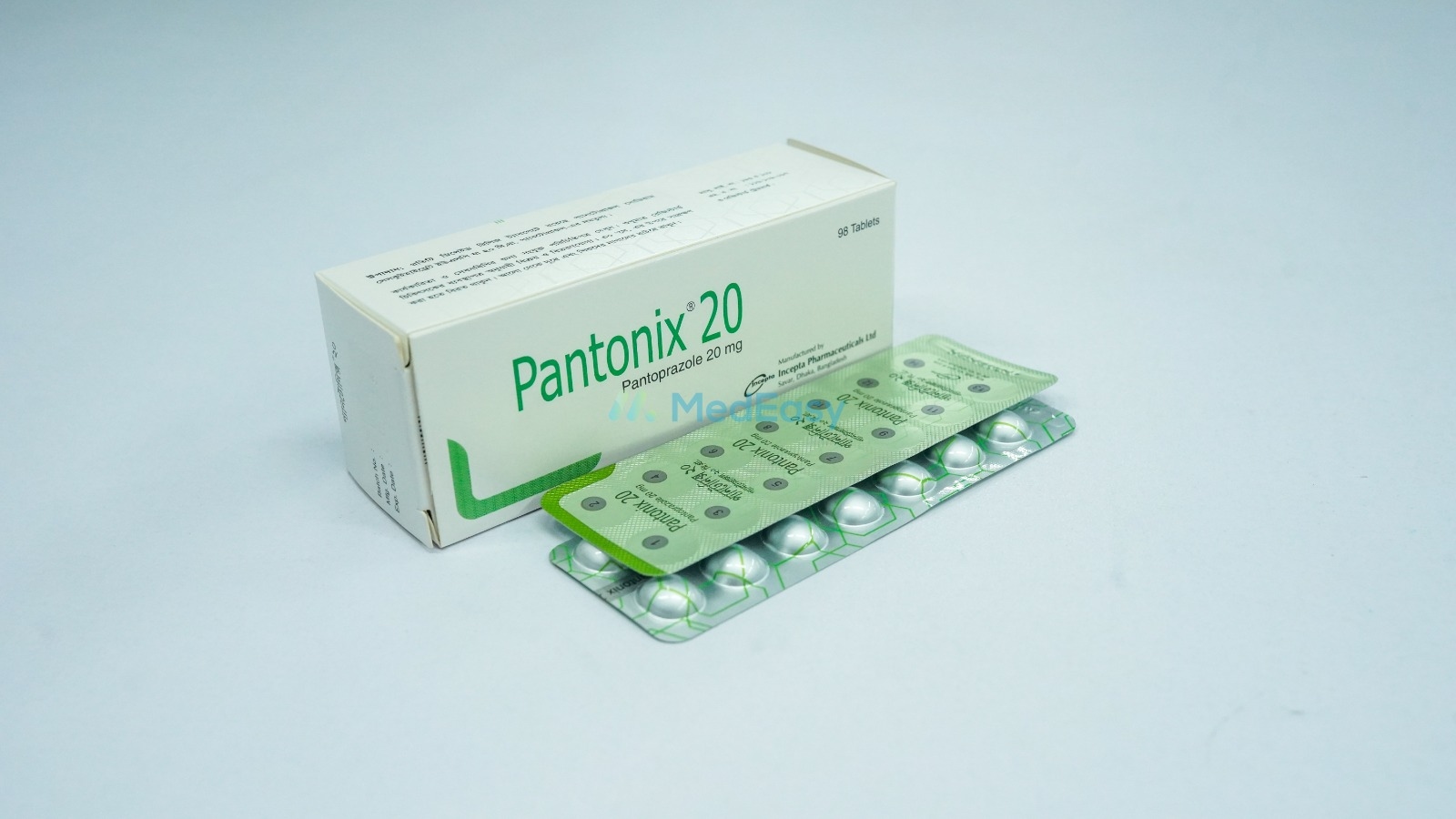
Pantonix20 mg
Incepta Pharmaceuticals Ltd.
৳88.20
Add to cart
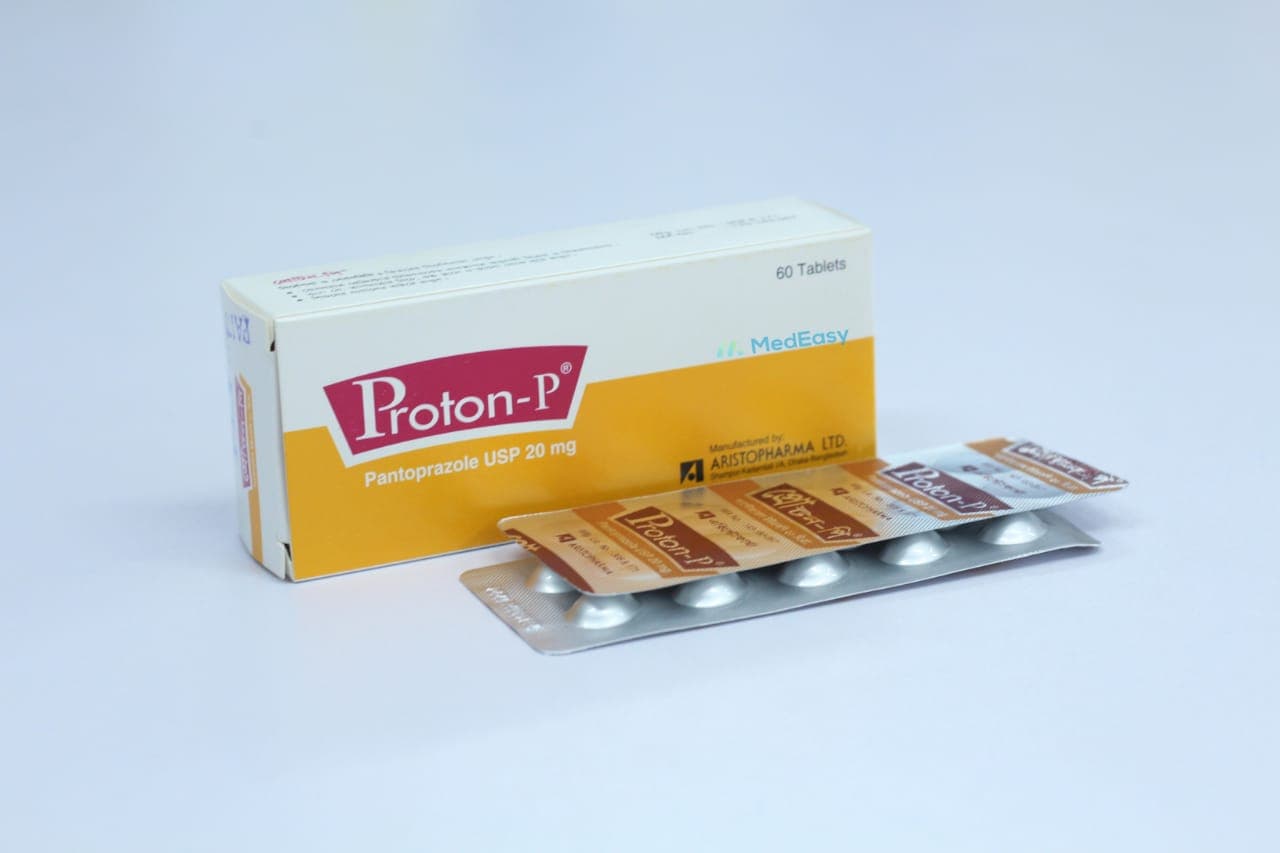

Proton-P 20 mg Sodium is a proton pump inhibitor (PPI) indicated for all conditions where suppression of gastric acid secretion provides therapeutic benefit. It is available in oral (enteric-coated tablet) and intravenous (IV) formulations, allowing flexible use across outpatient and hospital settings.
Important: Proton-P 20 mg should be taken only as prescribed by a registered physician. Long-term use without medical supervision may mask symptoms of serious underlying conditions.
Proton Pump Blocker.
Proton-P 20 mg is a proton pump inhibitor (PPI) that suppresses the final step in gastric acid production. After absorption and activation in the acidic environment of the gastric parietal cell canaliculi, Proton-P 20 mg covalently and irreversibly binds to the H⁺/K⁺-ATPase enzyme system (the proton pump) on the secretory surface of the gastric parietal cell.
This binding inhibits both basal (resting) and stimulated gastric acid secretion, regardless of the stimulus — whether histamine, gastrin, or acetylcholine. Because Proton-P 20 mg binds irreversibly to the proton pump, its acid-suppressing effect persists for longer than 24 hours, outlasting the drug's plasma half-life. Acid secretion does not resume until new proton pump molecules are synthesized by the parietal cell.
Proton-P 20 mg demonstrates a higher degree of selectivity for the proton pump at the pH levels found in the parietal cell canaliculi compared to other tissues, contributing to its favorable safety profile.
Proton-P 20 mg belongs to the class of Proton Pump Inhibitors (PPIs). It is chemically a substituted benzimidazole and is classified among the most effective and widely used acid-suppressive agents in clinical medicine. Compared to first-generation PPIs (omeprazole), Proton-P 20 mg offers a more selective binding profile and fewer CYP2C19-dependent drug interactions.
Proton-P 20 mg is available as enteric-coated oral tablets (20 mg and 40 mg) and as an IV injection/infusion (40 mg/vial). The dose and duration depend on the indication and route of administration. Oral tablets should be taken approximately 30 minutes before a meal (preferably in the morning), swallowed whole with water.
H. pylori Eradication Regimens (1 week — combined with Proton-P 20 mg 40 mg twice daily):
Note for elderly patients: No dose adjustment is generally required in elderly patients. However, the maximum recommended oral dose in elderly patients with Zollinger-Ellison Syndrome is 40 mg/day.
Proton-P 20 mg has a relatively low potential for pharmacokinetic drug interactions compared to other PPIs. However, clinically significant interactions exist and should be carefully managed.
Based on clinical studies, Proton-P 20 mg does not significantly affect the pharmacokinetics of the following drugs and no dose adjustment is necessary: theophylline, diazepam, phenytoin, warfarin (kinetics — though pharmacodynamic monitoring required), metoprolol, nifedipine, carbamazepine, midazolam, clarithromycin, naproxen, piroxicam, oral contraceptives (levonorgestrel/ethinyl estradiol), digoxin, metronidazole, amoxicillin, and caffeine.
Food does not clinically affect Proton-P 20 mg tablet absorption. However, the drug should ideally be taken 30 minutes before meals to maximize its effect at the time of peak acid stimulation.
Proton-P 20 mg is contraindicated in the following situations:
Proton-P 20 mg is well tolerated in both short-term and long-term treatment. Most side effects are mild and transient. However, serious adverse effects may occur with prolonged or high-dose use.
Proton-P 20 mg is classified as FDA Pregnancy Category B. Animal reproductive studies have not demonstrated a risk to the fetus; however, there are no adequate and well-controlled studies in pregnant women. Animal reproduction studies are not always predictive of human response.
Proton-P 20 mg should be used during pregnancy only if clearly needed — when the potential benefit to the mother justifies the potential risk to the fetus. Pregnant women experiencing acid-related symptoms should discuss the risks and benefits with their healthcare provider before use. Lifestyle modifications and antacids may be considered as first-line approaches where possible.
Proton-P 20 mg and its metabolites are excreted in human breast milk. The potential effect on a nursing infant is unknown. Since Proton-P 20 mg has demonstrated carcinogenic potential in long-term animal studies, a decision must be made whether to:
This decision should be made in consultation with the healthcare provider, taking into account the importance of the drug to the mother and the potential risk to the infant. Breastfeeding women who require PPI therapy should seek medical guidance before proceeding.
Proton-P 20 mg enteric-coated tablets must not be split, crushed, or chewed. The enteric coating is critical to prevent premature degradation in stomach acid and ensure proper drug delivery in the small intestine where absorption occurs. Crushing the tablet destroys the enteric coat and significantly reduces efficacy.
Symptomatic response to Proton-P 20 mg does not rule out the presence of gastric malignancy, including gastric cancer. In patients with persistent symptoms, unexplained weight loss, early satiety, or dysphagia, further diagnostic investigation (including endoscopy) should be performed before or during treatment. Do not use Proton-P 20 mg as a long-term empirical therapy without appropriate investigation.
Prolonged use of Proton-P 20 mg (generally >3 years) may lead to malabsorption of cyanocobalamin (Vitamin B12), as adequate gastric acid is required for B12 release from food. This can result in B12 deficiency, particularly in patients with poor dietary intake or existing risk factors. Periodic monitoring of B12 levels is advisable in long-term users.
Long-term (especially >1 year) and high-dose PPI therapy may be associated with increased risk of osteoporosis-related fractures of the hip, wrist, and spine. Patients on long-term therapy — especially elderly patients, postmenopausal women, and those with pre-existing osteoporosis — should discuss bone health management with their physician. Adequate calcium and Vitamin D intake and bone density monitoring may be warranted.
Consider measuring serum magnesium levels before initiating PPI therapy and periodically thereafter, especially in patients expected to be on Proton-P 20 mg long-term or in those already taking medications known to cause hypomagnesemia (e.g., digoxin or diuretics). Hypomagnesemia can present as muscle spasms, tremors, palpitations, or seizures.
PPI therapy including Proton-P 20 mg has been associated with increased risk of Clostridioides difficile-associated diarrhea (CDAD). Evaluate any patient on Proton-P 20 mg who develops persistent diarrhea for CDAD. If confirmed, discontinue Proton-P 20 mg and initiate appropriate treatment.
Proton-P 20 mg is extensively metabolized by the liver. In patients with severe hepatic impairment, the maximum recommended dose is 20 mg once daily due to reduced metabolic clearance and the potential for drug accumulation. Monitor liver function tests in patients with hepatic disease on long-term therapy.
Proton-P 20 mg may cause false-positive results in urine screening tests for tetrahydrocannabinol (THC). Positive results should be confirmed by a more specific analytical method such as gas chromatography/mass spectrometry (GC-MS).
There are no known symptoms of overdosage in humans from Proton-P 20 mg alone at available clinical doses. Proton-P 20 mg has a wide therapeutic margin and exhibits a low acute toxicity profile. However, reports of overdose exist, particularly in the context of intentional ingestion.
In cases of very high doses or intentional overdose, the following general symptoms may theoretically occur, consistent with other PPIs:
Proton-P 20 mg is approved for use in children as young as 5 years of age for the short-term treatment of erosive esophagitis associated with GERD. Safety and efficacy in children below 5 years have not been established for most indications. Weight-based dosing is used in pediatric patients:
For pediatric patients who are known CYP2C19 poor metabolizers, dose reduction should be considered due to significantly higher drug exposure.
No overall differences in safety or efficacy have been observed between elderly and younger patients. In clinical trials, the pharmacokinetics of Proton-P 20 mg in elderly patients (65–76 years) were similar to younger subjects after IV administration. No routine dose adjustment is required in elderly patients, except in patients with Zollinger-Ellison Syndrome where the maximum oral dose in the elderly is 40 mg/day.
Elderly patients on long-term PPI therapy should be monitored for fracture risk, Vitamin B12 deficiency, and hypomagnesemia, as they are at higher baseline risk for these complications.
Proton-P 20 mg AUC is significantly increased in patients with severe hepatic impairment (Child-Pugh Class C). The recommended maximum dose is 20 mg once daily. Liver function tests should be monitored during long-term use in these patients. Mild to moderate hepatic impairment typically does not require dose adjustment.
No dose adjustment is required in patients with renal impairment, including those on hemodialysis. Since Proton-P 20 mg is highly protein bound, it is not readily dialyzable.
Approximately 3% of the Caucasian population and 15–20% of Asian populations are CYP2C19 poor metabolizers. In these individuals, Proton-P 20 mg AUC may be significantly higher than in extensive metabolizers. In pediatric patients who are known poor metabolizers, a dose reduction should be considered to avoid excessive drug exposure.
Proton-P 20 mg IV is available as a lyophilized (freeze-dried) powder in a single-dose vial (40 mg). It must be reconstituted before administration. Use aseptic technique throughout preparation.
Important: Do not mix Proton-P 20 mg IV with other medications in the same syringe or infusion bag. Inspect the reconstituted and diluted solution for particulate matter or discoloration before use — discard if either is present.
What is Proton-P 20 mg used for?
Proton-P 20 mg Sodium is a proton pump inhibitor (PPI) indicated for all conditions where suppression of gastric acid secretion provides therapeutic benefit. It is available in oral (enteric-coated tablet) and intravenous (IV) formulations, allowing flexible use across outpatient and hospital settings. Approved Indications Gastroesophageal Reflux Disease (GERD) — Relieves heartburn, regurgitation,…
What is the dosage of Proton-P 20 mg?
Proton-P 20 mg is available as enteric-coated oral tablets (20 mg and 40 mg) and as an IV injection/infusion (40 mg/vial). The dose and duration depend on the indication and route of administration. Oral tablets should be taken approximately 30 minutes before a meal (preferably in the morning), swallowed whole with water. Oral Dosage by Indication (Adults) Indication Dose Duration Benign gastric u…
What are the side effects of Proton-P 20 mg?
Proton-P 20 mg is well tolerated in both short-term and long-term treatment. Most side effects are mild and transient. However, serious adverse effects may occur with prolonged or high-dose use. Common Side Effects System Side Effects Gastrointestinal Diarrhea, nausea, vomiting, abdominal pain, flatulence, constipation Central Nervous System Headache, dizziness, insomnia Metabolic Hyperglycemia (e…
Who should not take Proton-P 20 mg?
Proton-P 20 mg is contraindicated in the following situations: Known hypersensitivity to Proton-P 20 mg or any other component of the formulation (including the enteric coating excipients). Serious hypersensitivity reactions including anaphylaxis, angioedema, and severe dermatologic reactions have been reported. Hypersensitivity to other Proton Pump Inhibitors (PPIs) — due to possible cross-reacti…
What precautions should be taken with Proton-P 20 mg?
Tablet Handling Proton-P 20 mg enteric-coated tablets must not be split, crushed, or chewed . The enteric coating is critical to prevent premature degradation in stomach acid and ensure proper drug delivery in the small intestine where absorption occurs. Crushing the tablet destroys the enteric coat and significantly reduces efficacy. Masking of Serious Gastric Conditions Symptomatic response to P…
Is Proton-P 20 mg safe during pregnancy and breastfeeding?
Use During Pregnancy Proton-P 20 mg is classified as FDA Pregnancy Category B . Animal reproductive studies have not demonstrated a risk to the fetus; however, there are no adequate and well-controlled studies in pregnant women . Animal reproduction studies are not always predictive of human response. Proton-P 20 mg should be used during pregnancy only if clearly needed — when the potential benefi…
The information provided is accurate to our best practices, but it does not replace professional medical advice. We cannot guarantee its completeness or accuracy. The absence of specific information about a drug should not be seen as an endorsement. We are not responsible for any consequences resulting from this information, so consult a healthcare professional for any concerns or questions.